Design Ops Manager
for British Gas
February 2019 - March 2021
Supporting designers to create exceptional customer experiences in a collaborative and friendly environment.

Overview
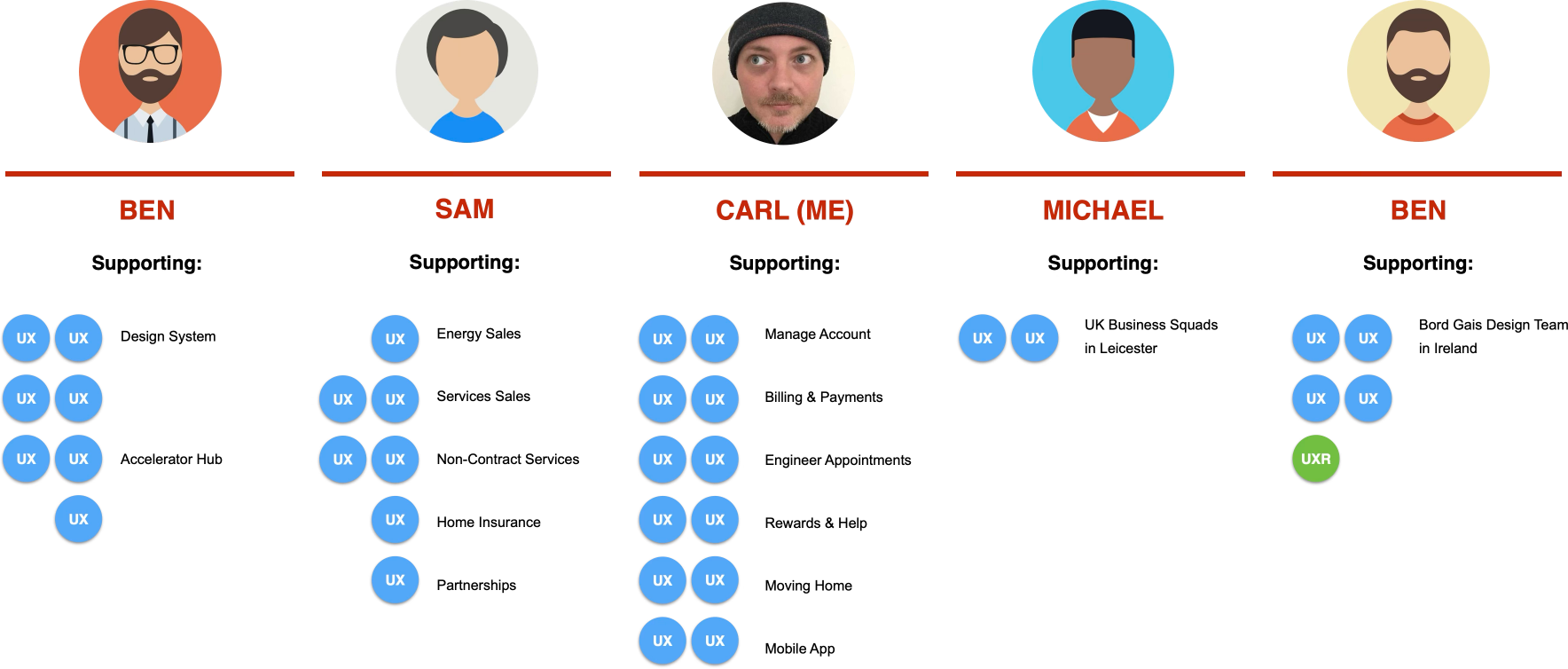
As UX & DesignOps Manager at Centrica, Carl worked alongside four other DesignOps Managers to enable and empower a community of over 30 UX Designers across locations and brands.
Primary responsibilities include overseeing and supporting 12 direct reports spread across 6 Scrum development teams.
However, the role also involves building, scaling, designing and redefining what is UX within the company and helping the organisation to become truly design-led and user-centric via four core areas of DesignOps:
People
Design Toolkit
Collaboration
Design Value
What’s Centrica?
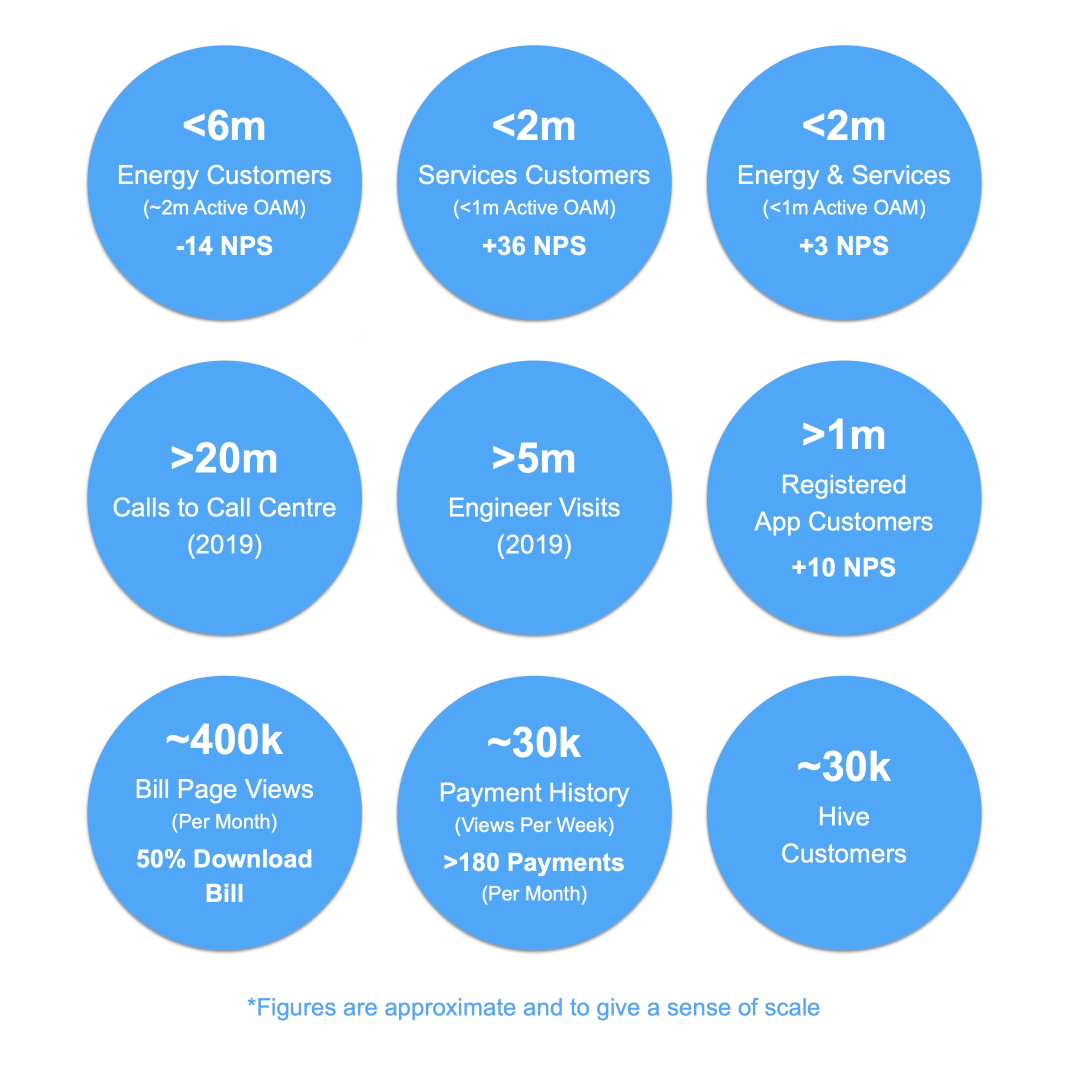
Centrica is an Energy and Services company for the UK, Ireland & North America. With over 25 Million customer accounts and £28 Billion annual revenue (2018)
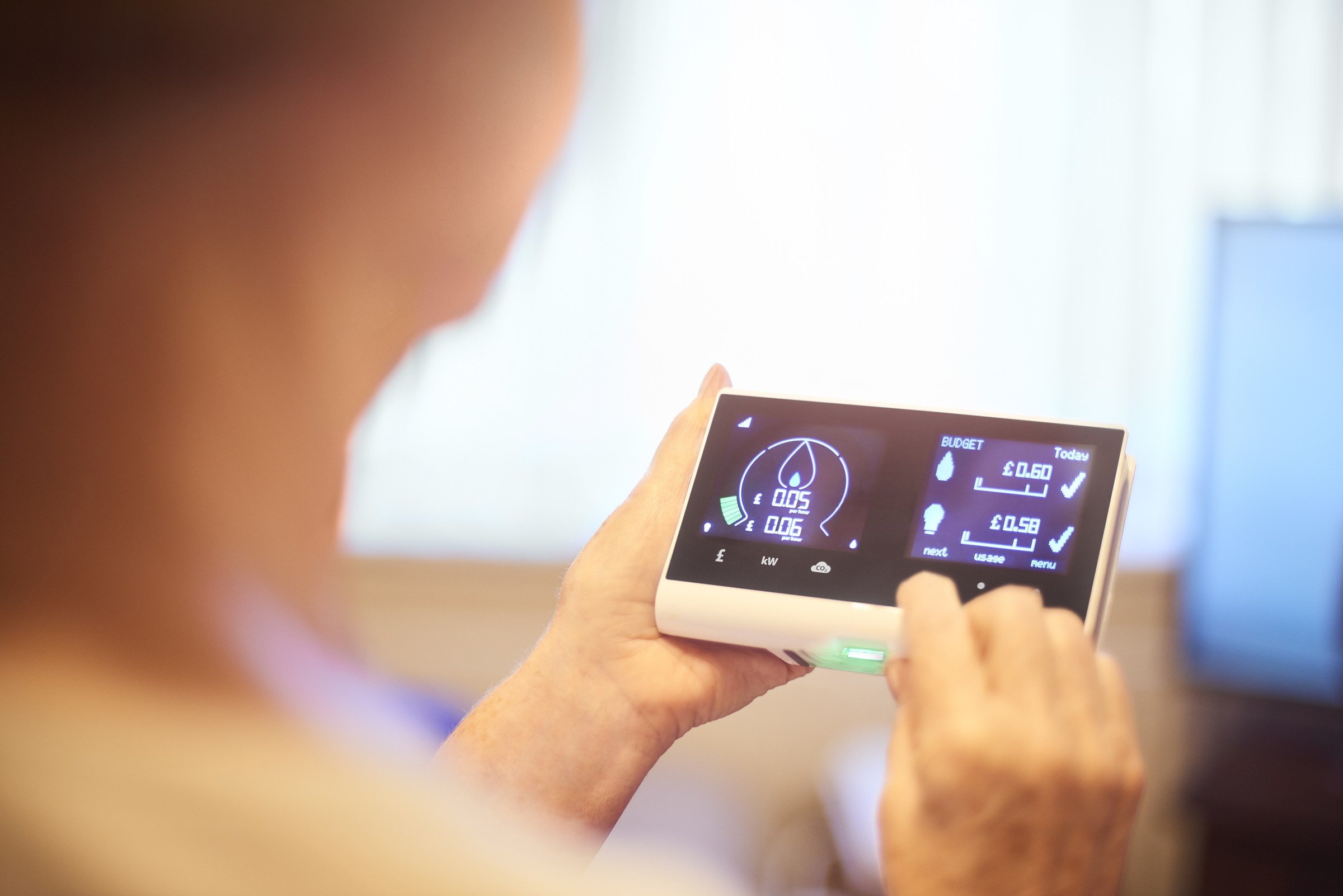
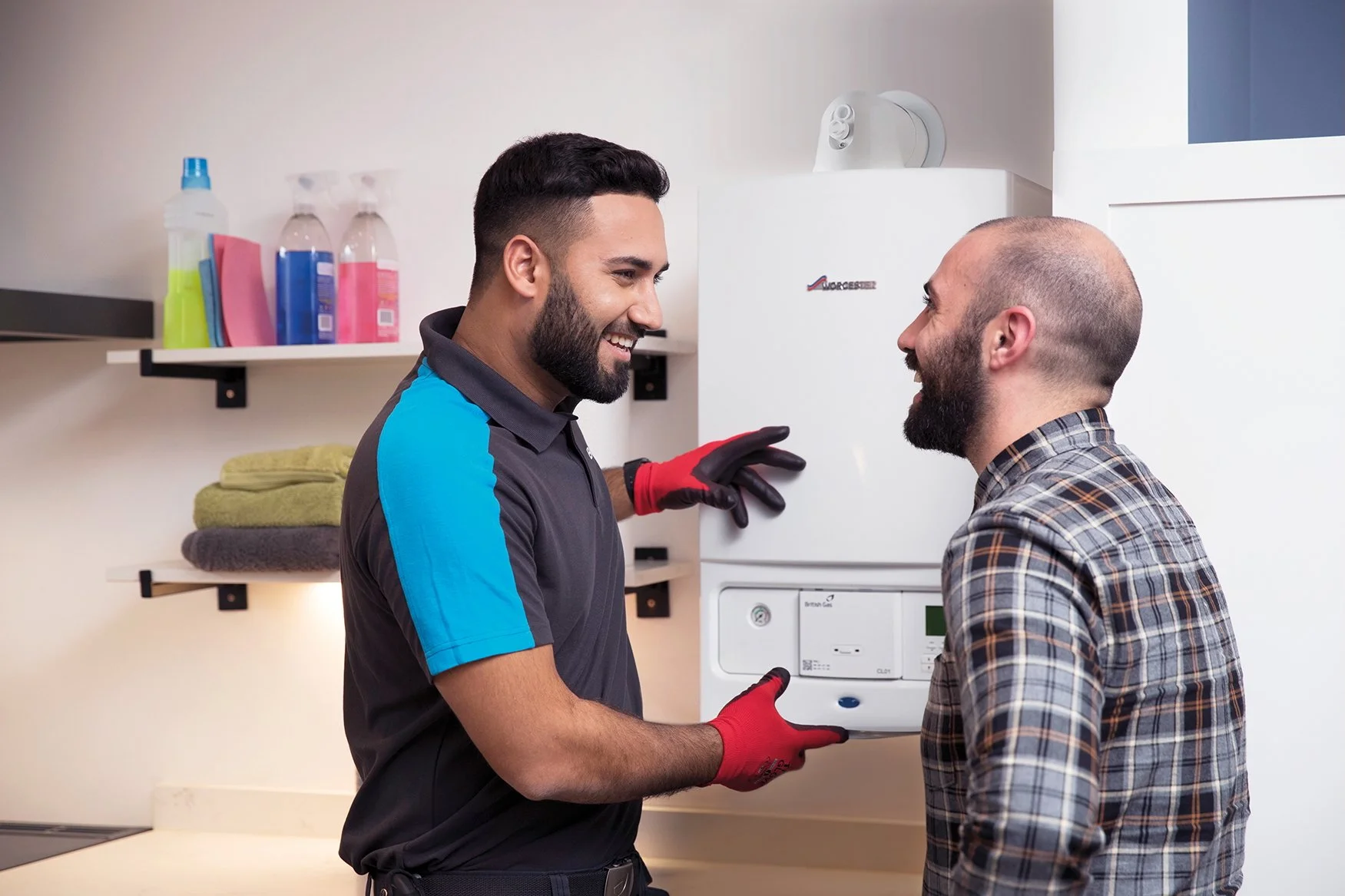

Focus on British Gas

My focus is primarily on supporting UX Designers placed within squads that support the British Gas Website and App experiences.
Vision
DESIGN TOOLKIT
Hardware, Software, Templates, Design System, Usability Lab, Research and Insights…
COLLABORATION
Roadmap Reviews and Prioritisation, Workshops, Design Sprints, Design Critiques Design Guilds…
DESIGN VALUE
Internal/External PR and Networking, Stakeholder engagement, encouraging participation in Design…
HUMAN CENTRED
To strengthen and cultivate the development of a human-centred team which focuses on user needs above all else.
Focus Areas
PEOPLE
Recruitment, Onboarding, Team Structure, Retention, Events and Socials…
PROCESS
To enable creativity and innovation by removing inefficiencies from the design process.
ENVIRONMENT
To build a healthy, inclusive, collaborative environment fuelled by learning and sharing.
How Design is positioned within Centrica and the role DesignOps plays in nurturing a customer focus design culture and in supporting and empowering designers to do their best work.
DesignOps at Centrica (British Gas)
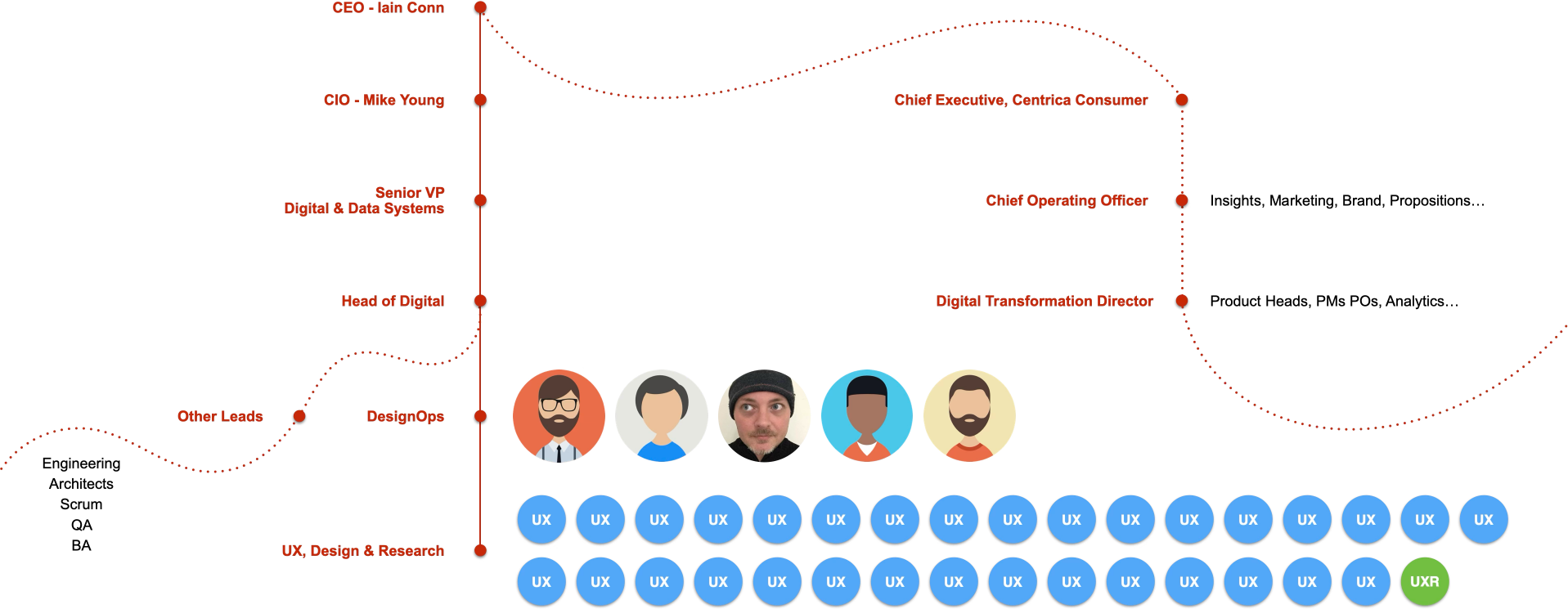
How UX is positioned within Centrica (British Gas)
Centralised design community, passionate about design, consistency and quality throughout the user experience.
Leadership is a team sport!
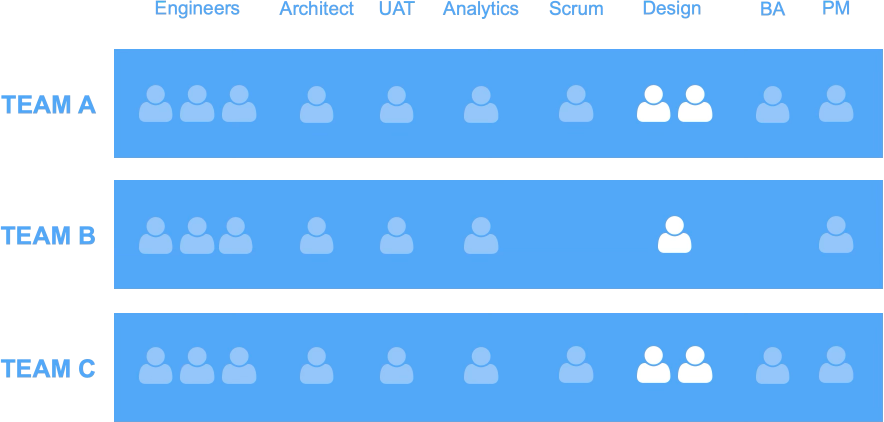
5 DesignOps Managers, Supporting 33 Designers across 18 product teams in 3 locations
DesignOps at Centrica is about:
People
We are a team of friendly and collaborative generalist designers who use rapid evidence-gathering about user behaviour and must pursue constant experimentation and learning.
Our Design Operations team strives to set the right working environment and helps remove organisational barriers so that designers can do their best work.
Large de-centralised design team (~30 designers)
Designers are embedded within multi-disciplinary product teams
Strong design community and culture
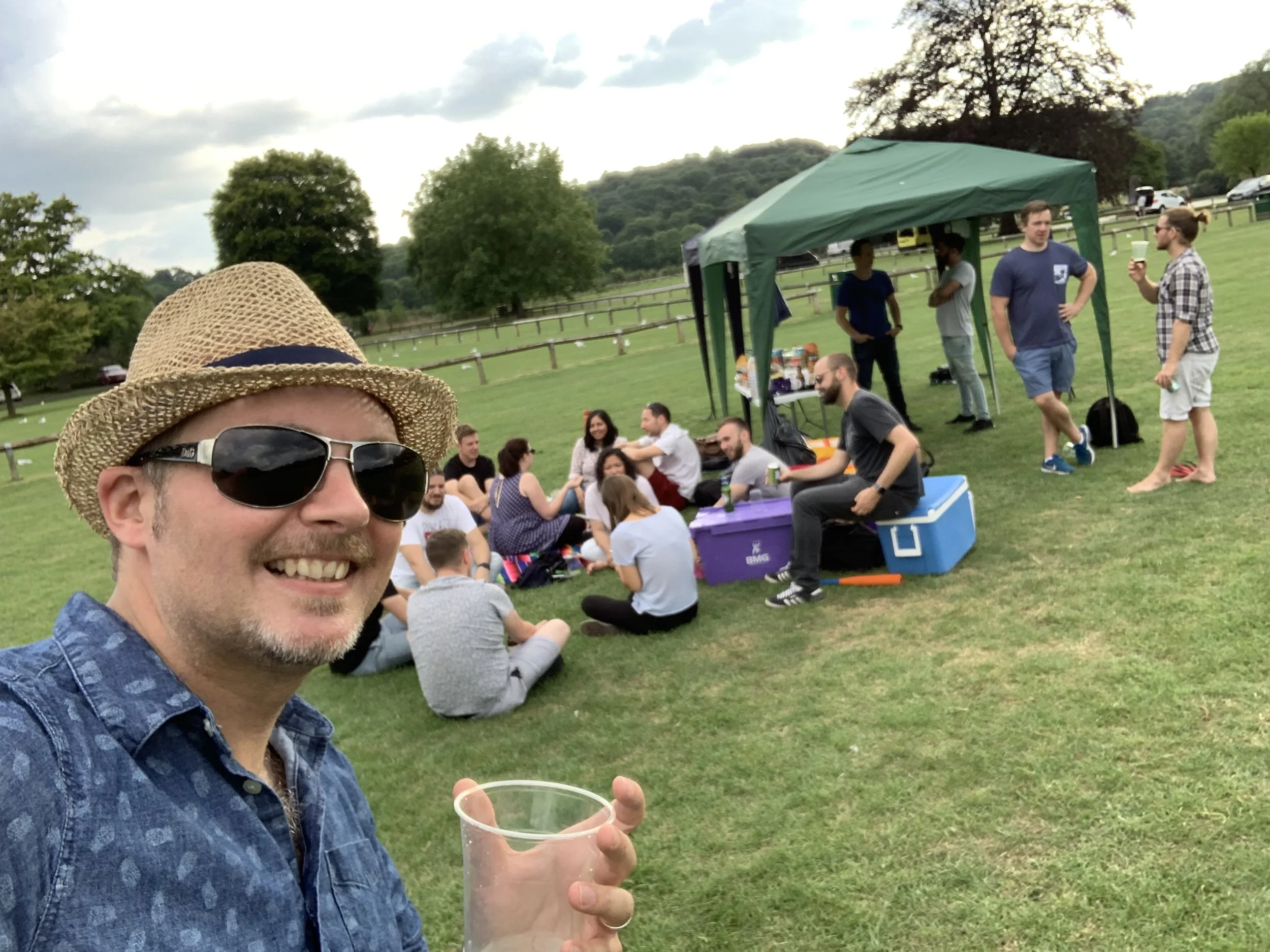
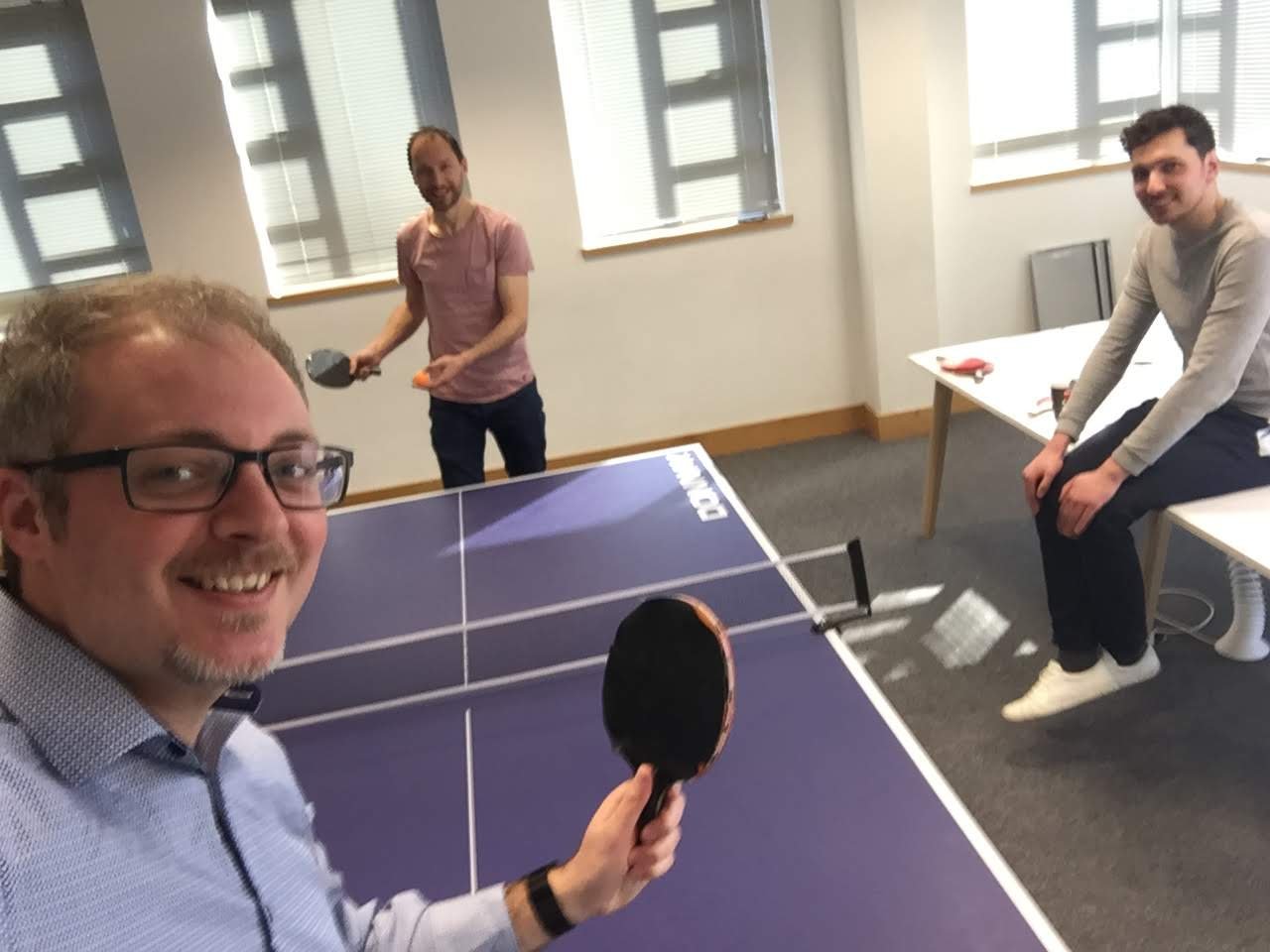
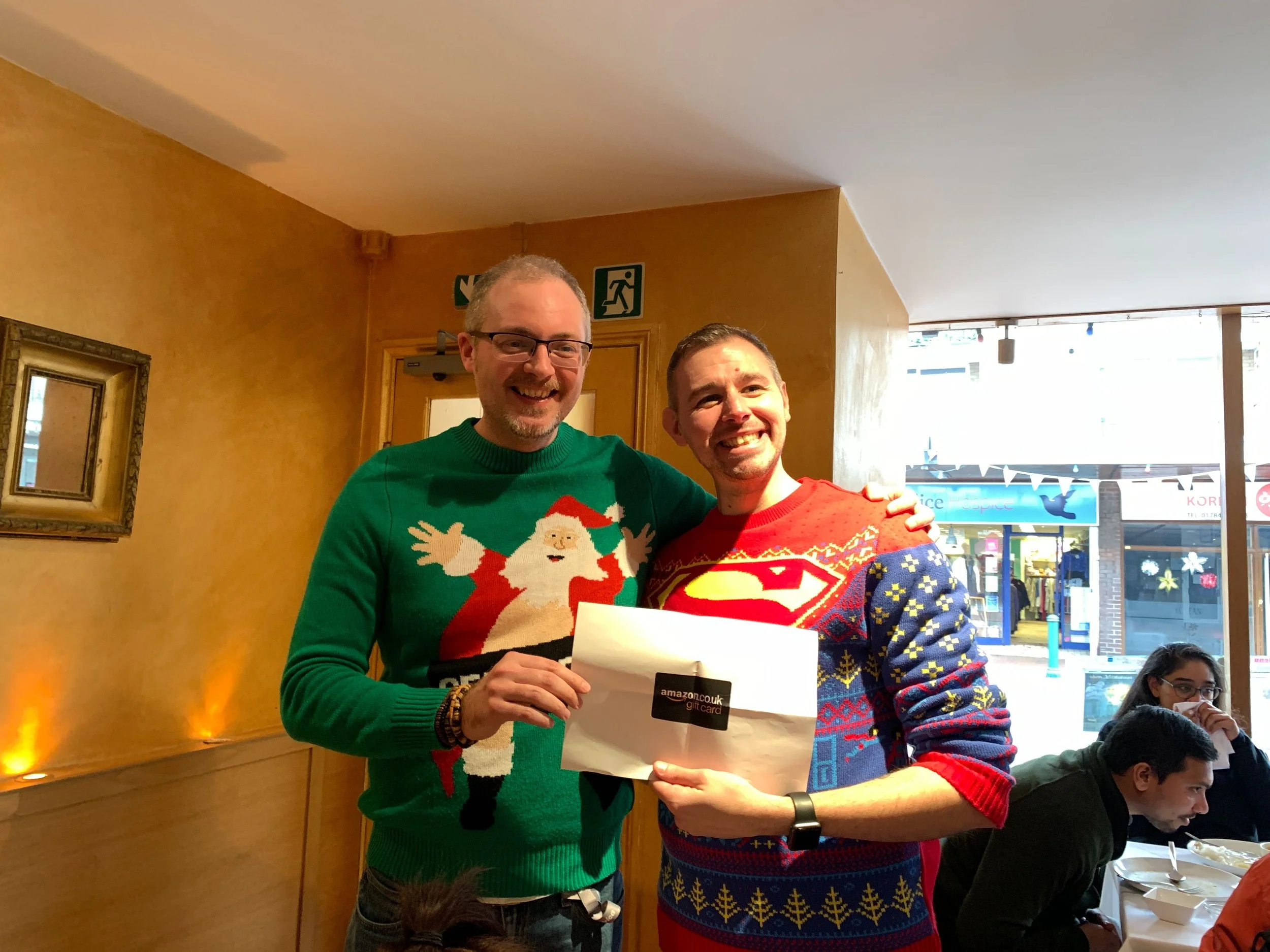
How I Supported:
People
Ensure that designers feel empowered to make decisions and they know that as long as they are backed up by evidence they will receive any support needed.
UX Recruitment
On-boarding
Retention
Off-boarding
Costing/Find Funding
Training and Education
UX Team Operational Structure
Socials & Events
Catchups & 1-1s
Career Development
Conferences
Provide Support / Air Cover
Stakeholder Management
DesignOps at Centrica is about:
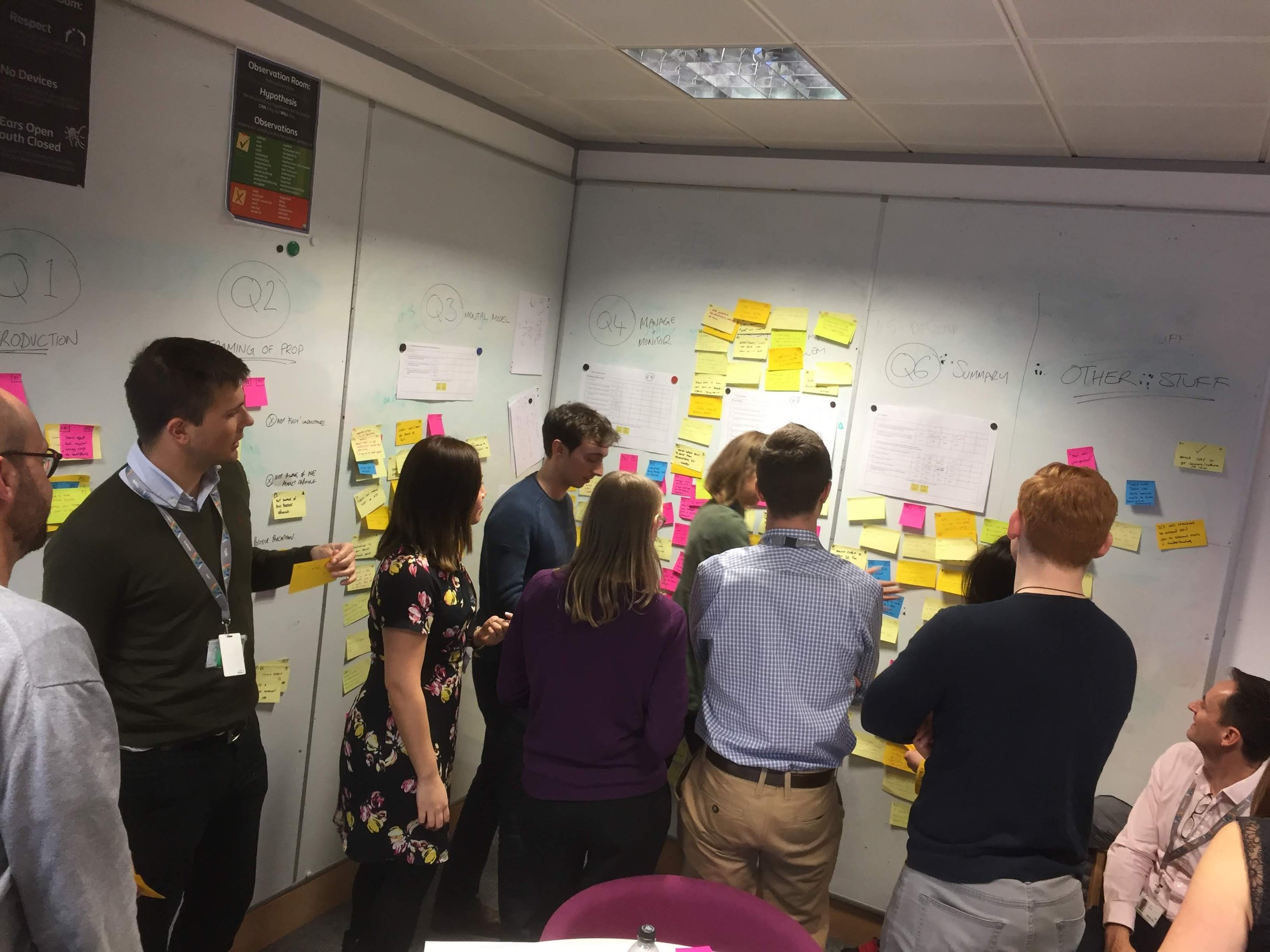
Collaboration
Weekly Design Critiques
Every Wednesday afternoon the team gets together to provide feedback and get visibility of what other designers across the team are working on.
Design Guilds
Every Tuesday afternoon designers from related product teams will get together to reduce inefficiencies and work on common goals and shared themes.
Monthly Meet-ups
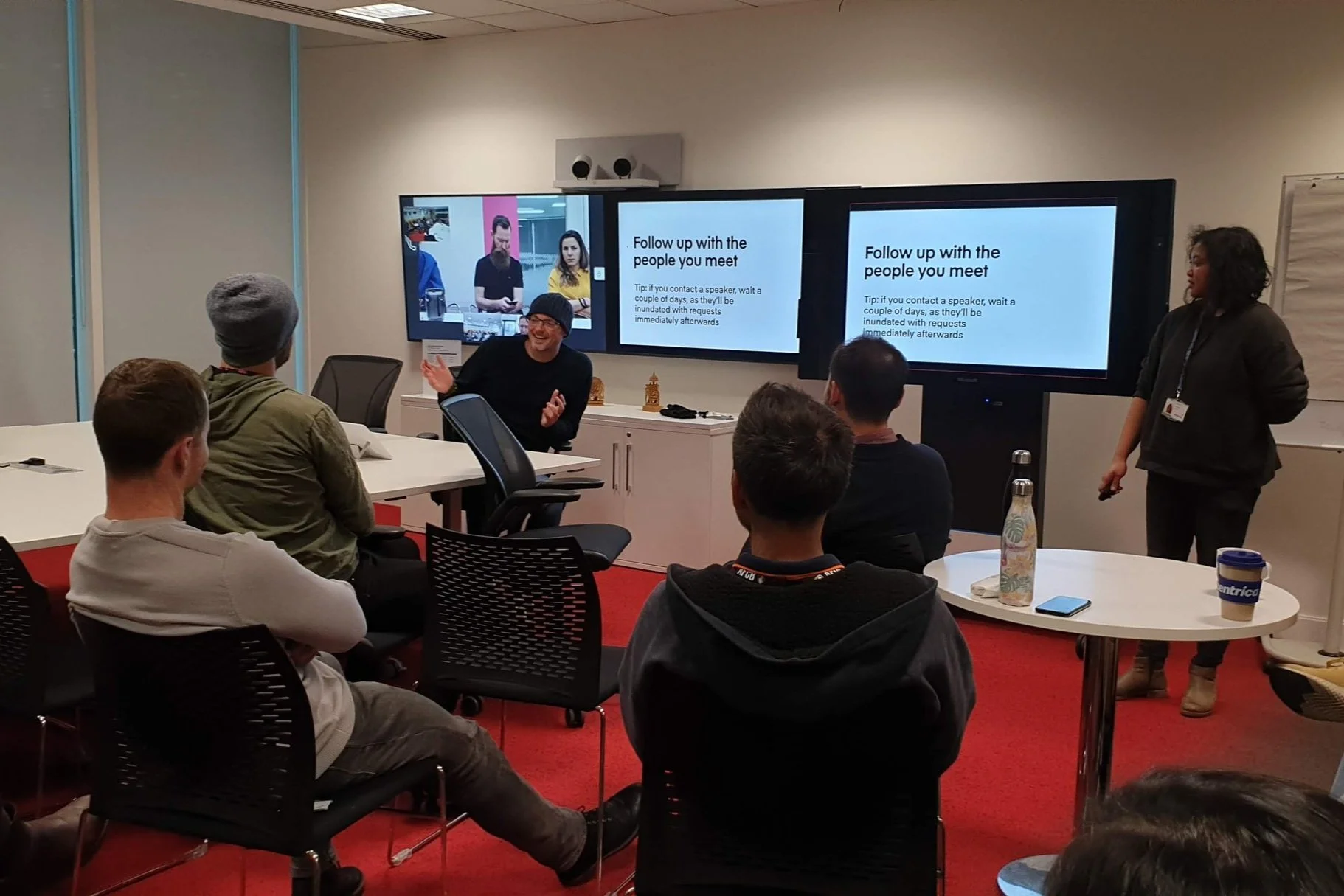
Once a month, the team gathers to welcome new starters, share news from the team, and hear talks from internal and external speakers.
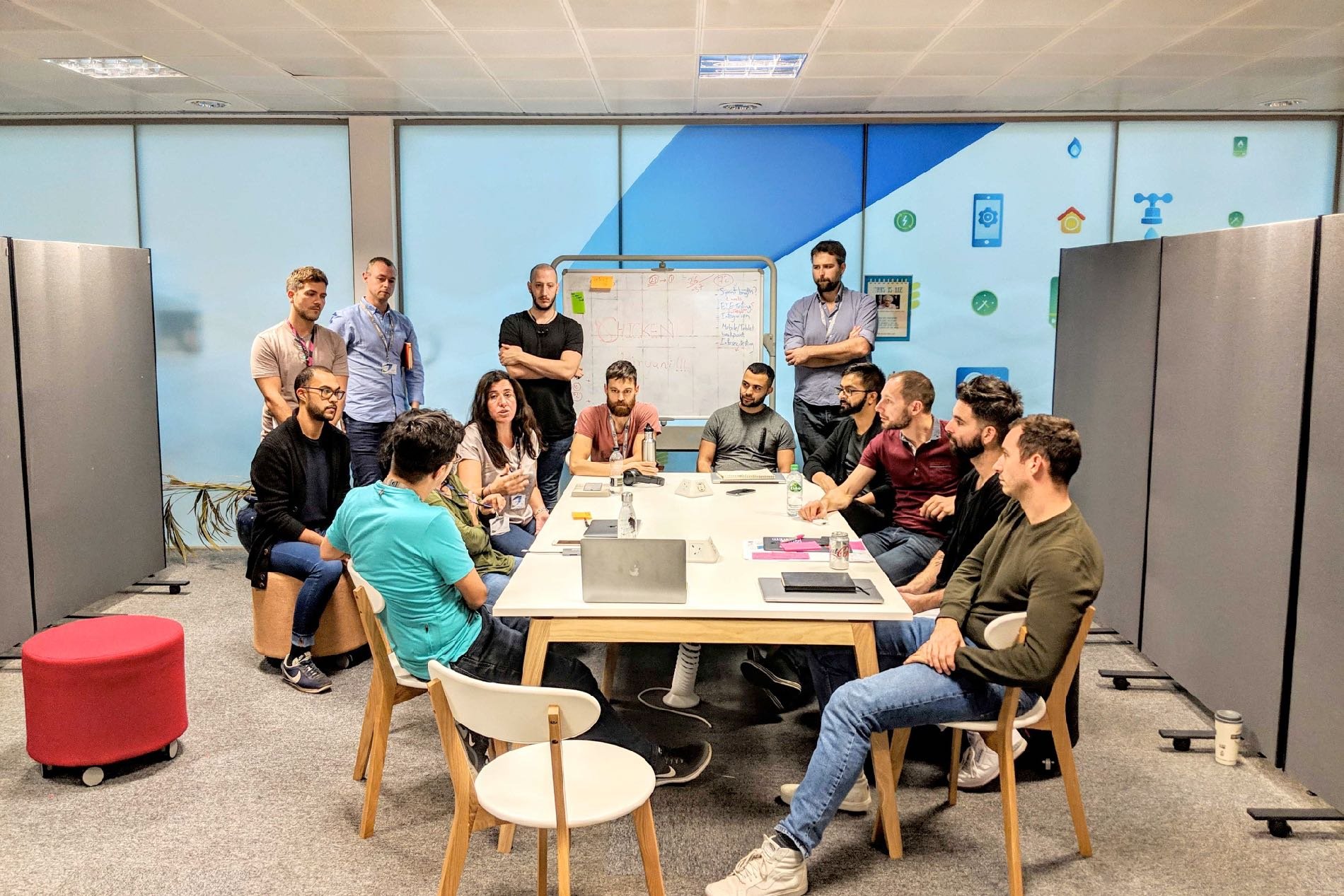
How I Supported:
Collaboration
Ensure collaboration inside and outside the User Experience and Design team is as efficient as possible to make a greater impact and deliver value across the company.
Facilitate or Encourage Workshops
Advocate Design Sprints
Run Design Critiques
Organise Design Guilds
Plan Seating Arrangements
Set Remote Working Policies
Stakeholder Alignment Activities
Prioritisation & Roadmap Reviews
Linking designers with other teams & functions in the wider business
DesignOps at Centrica is about:
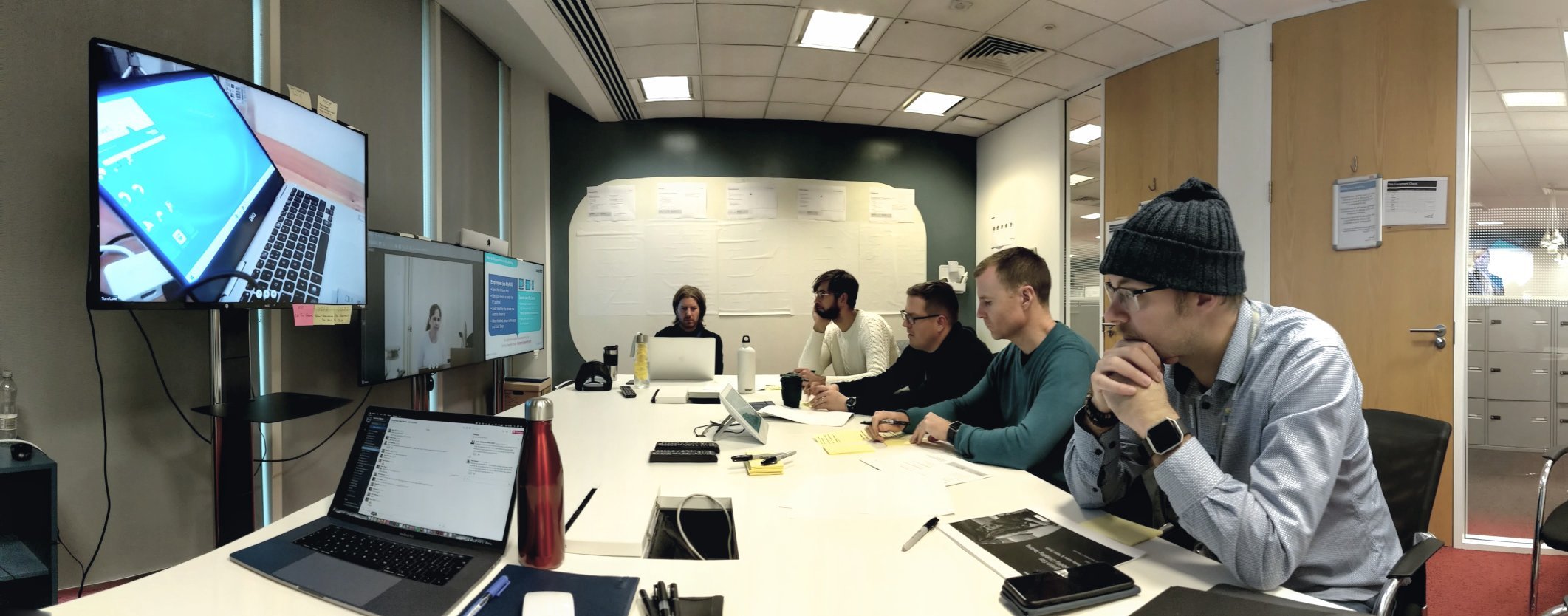
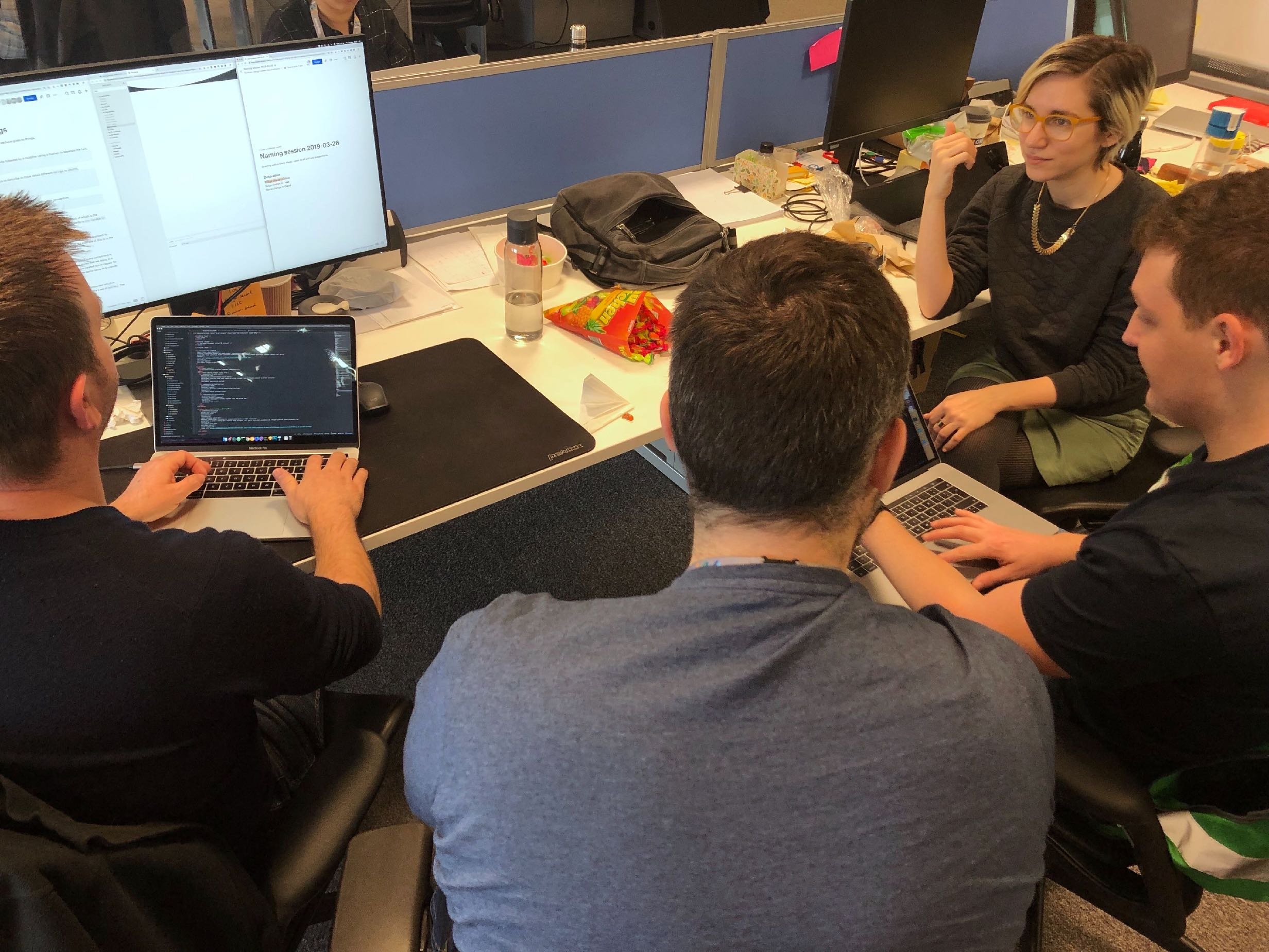
Design Toolkit
Centralised Design System Team
We have a team dedicated to building, implementing and promoting the use of the British Gas design system.
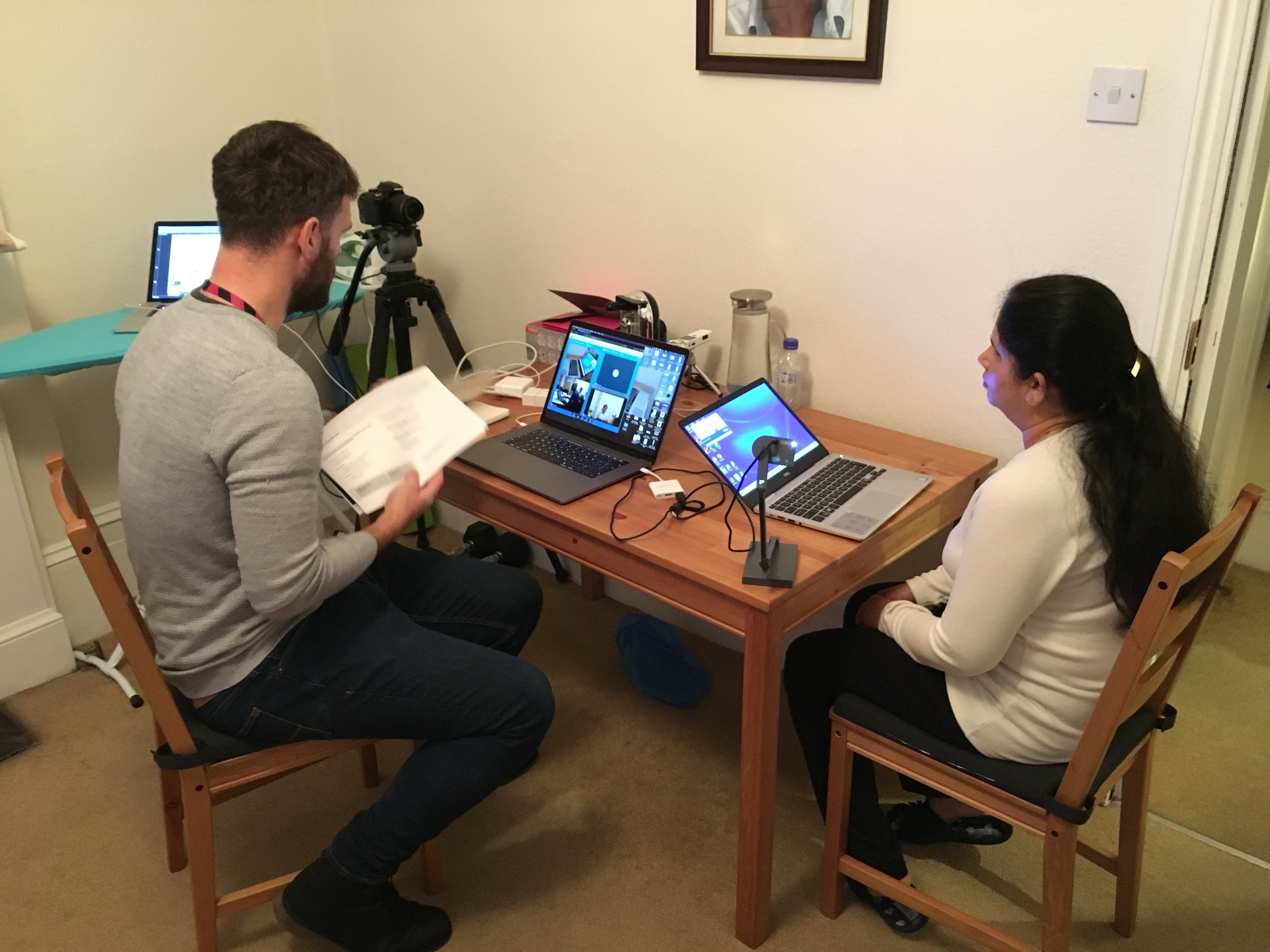
In-house Customer Lab
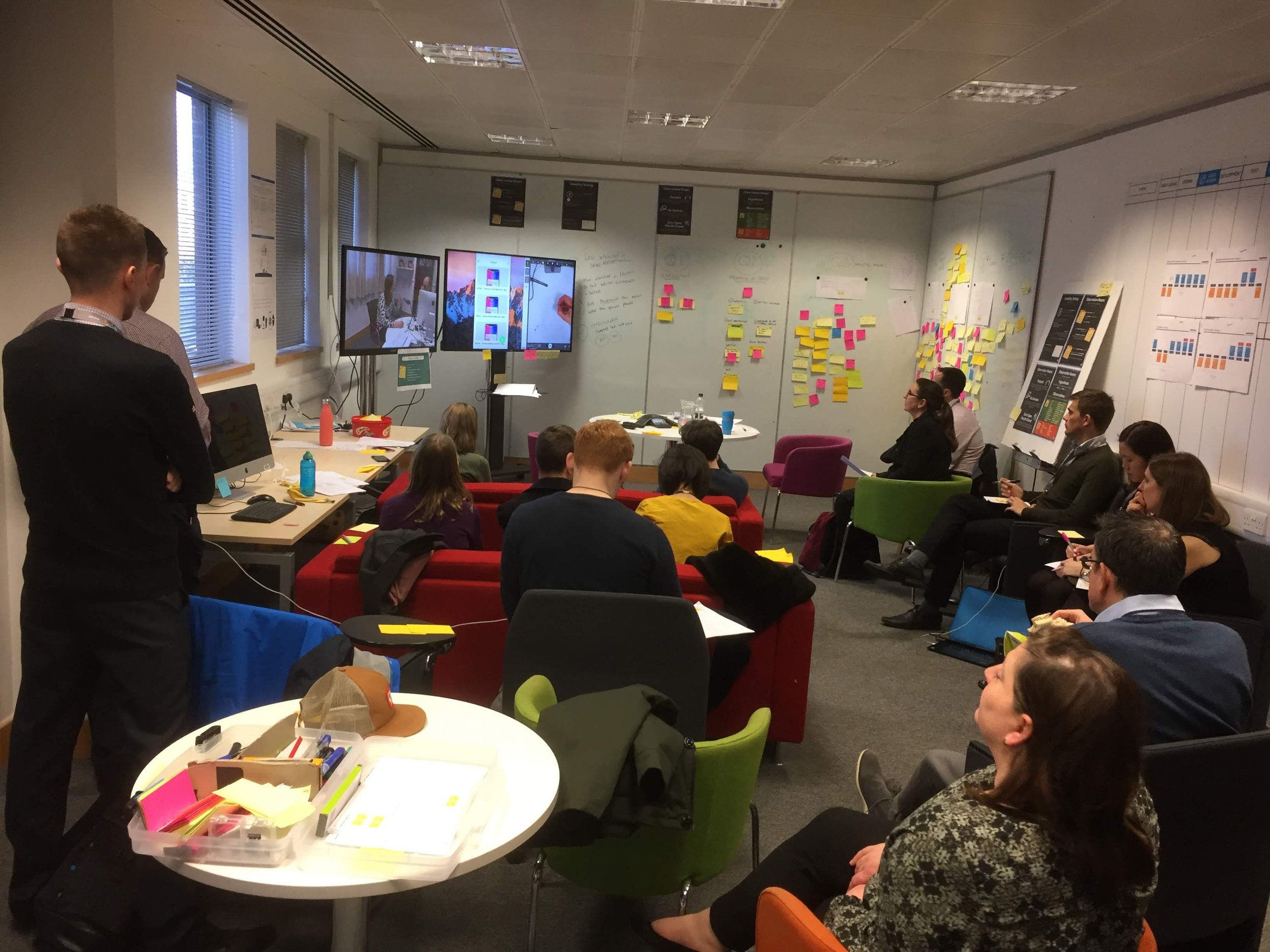
We tend of have about 800 customers a year in our usability lab. Each of our product teams generally spend a day every 6 weeks in the lab learning about their users. For us, research is a team sport the whole team are involved in.
Customer Analytics
Access to and training on customer analytics to inform design decisions.
How I Supported:
Design Toolkit
Optimise and augment our existing tools and methods to allow designers to focus on creativity and innovation?
Ensure our design templates are continually optimised to help simplify our practices and processes.
Maintain Service Manual
Design System Coordination
Research Lab Management
Updating Templates
Methods & Processes - Ways of working
Hardware / Software Management
Supplier Management
Access to Data and Insights
Continuously Sourcing and integrating Design Research Processes
Informing design
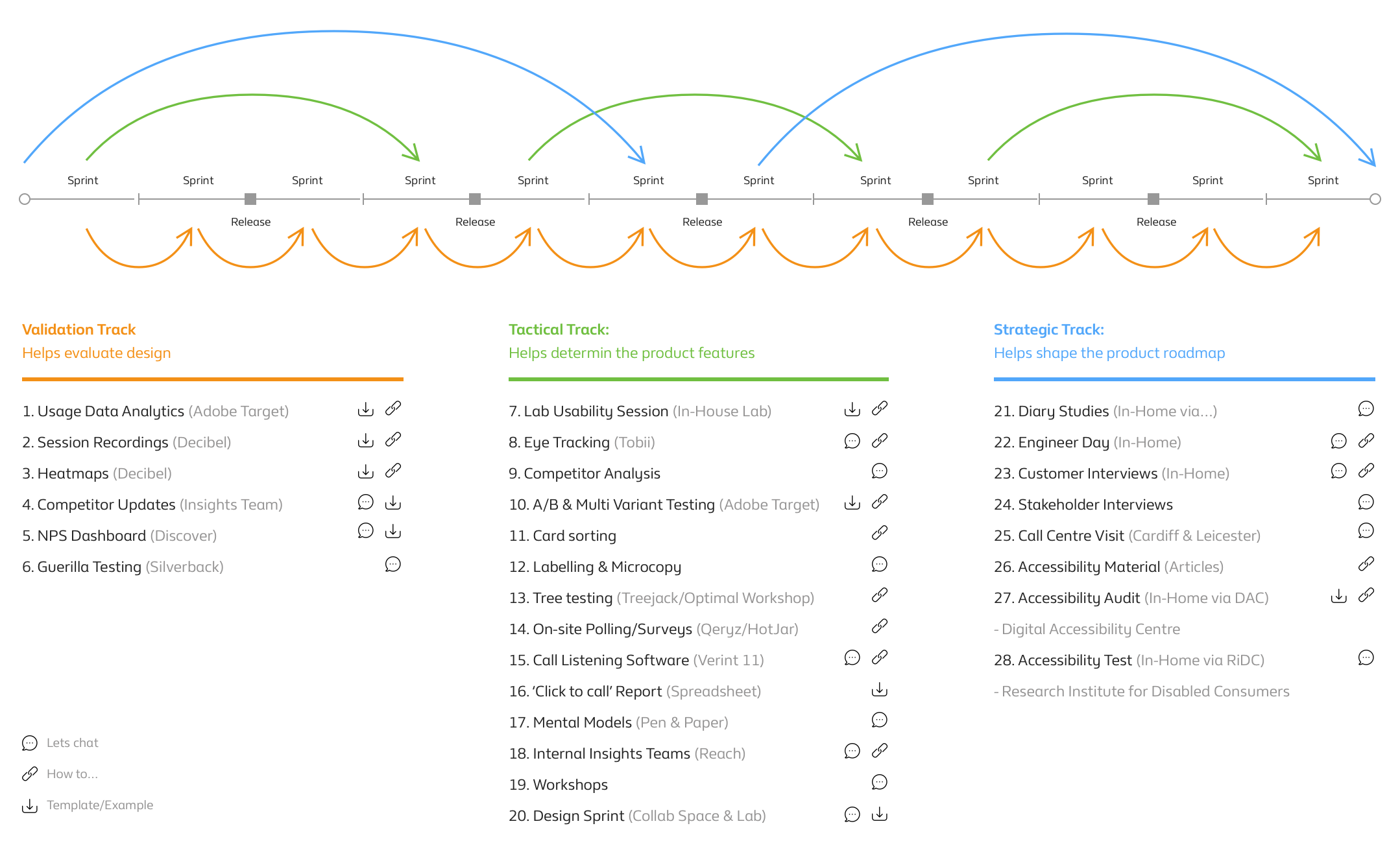
Ensuring that designers are trained and empowered to loop the customer in on the design process to help identify problems as well as inform and validate solutions.
We currently have 28 opportunities for our UX designers to better understand our customers.
DesignOps at Centrica is about:
Design Value
Strategic function
UX in Centrica has moved from a form-giving function to a strategic function. UX designers are a critical in highlighting opportunities and in guiding to define product roadmaps.
Weekly Product Demos
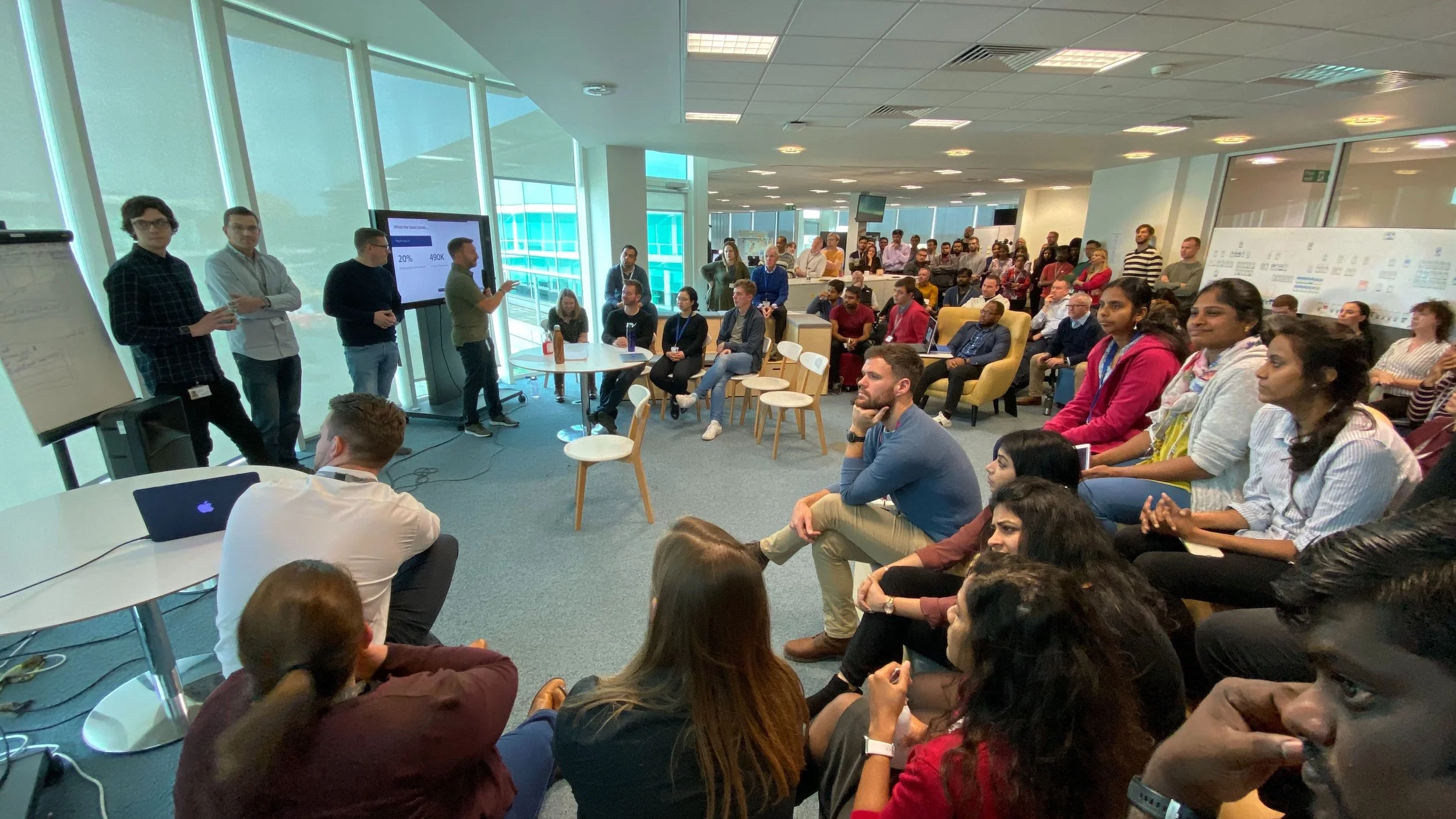
1 hour every week 3 teams will present to the entire department what they’ve accomplished. UX designers and Product owners will co-host these demos which usually involves some kind of audience participation.
Participation in Design
We’re an open and inclusive part of the organisation. If we aren’t dragging entire teams into our Usability Lab, we’re running Workshops and Design Sprints for other parts of the business.
How I Supported:
Design Value
Communicate the value of investment in design across the company and help to increase design maturity within the organisation.
Workshops & Design Sprints
Product Demos
Expanding our Network
Stakeholder Show & Tells
Driving Participation in Design
Distributing UX Insights & Results
Design Team PR (External/Internal)
Advocating Evidence Driven Design
Design as an influencer
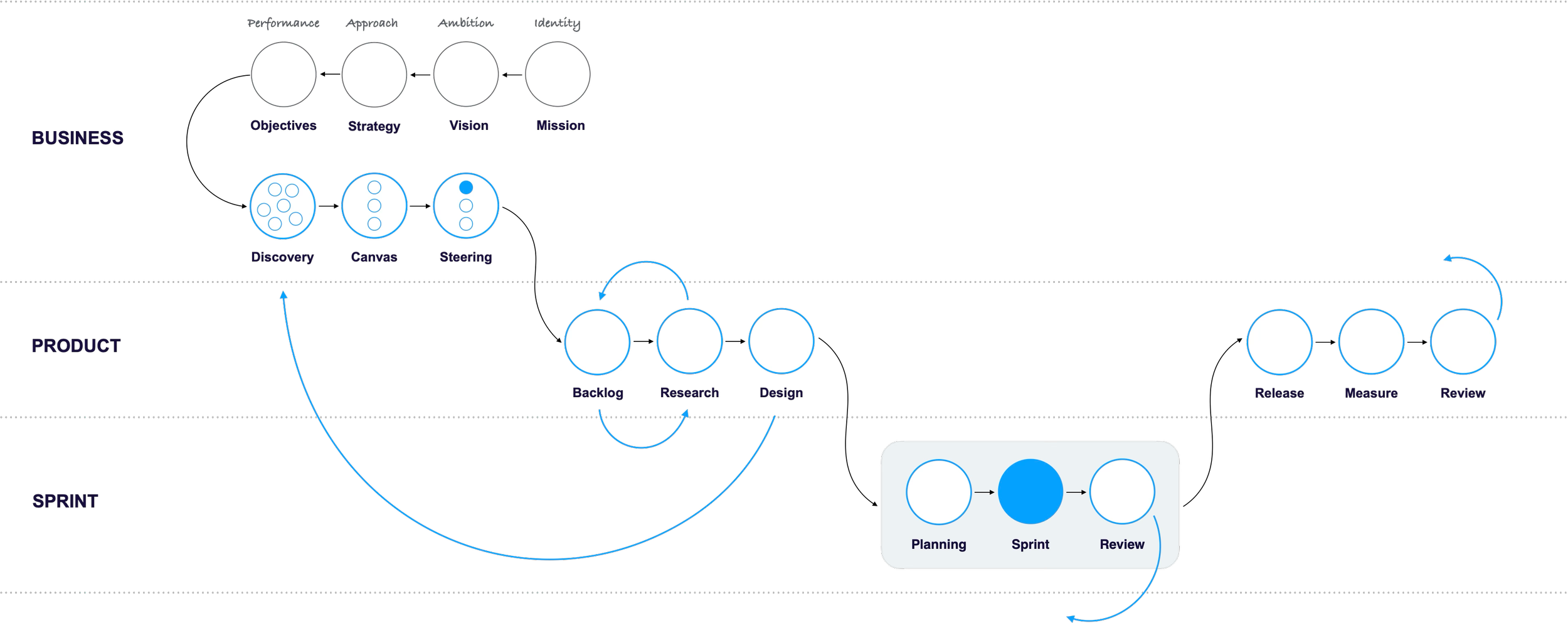
Working to break down silos and ensure that UX Design & Research is not only working with other product teams, departments and
disciplines across the business but also involved in strategy and planning.
Adapting to change and doing more with less.
Centrica is constantly changing from organisational restructuring to planning sessions, roadmap reviews and pivots.
DesignOps constantly worked to nurture a healthy community with shifting operational opportunities and constraints.
Centrica In-House
Product Teams
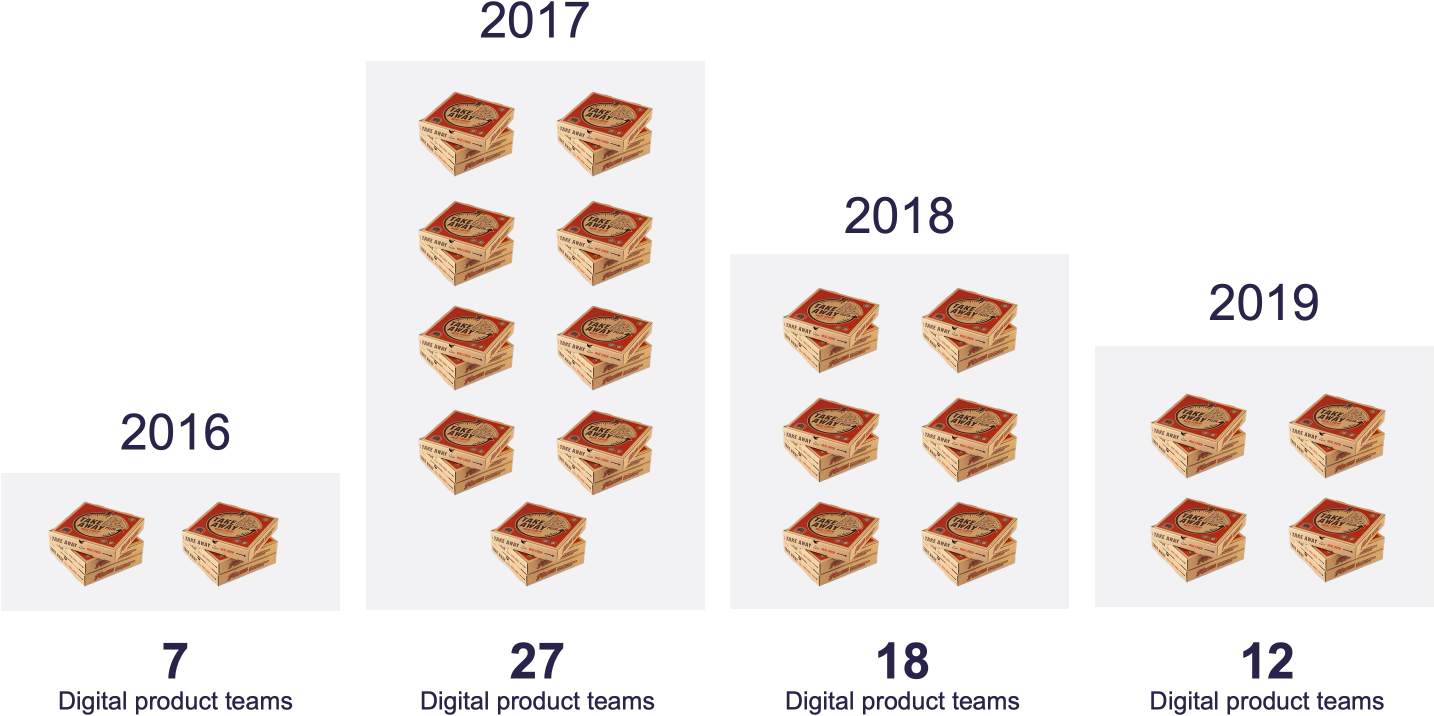
Centrica has a fantastic track record of adapting to change and ramping up or down in response to the various and shifting needs of the business/customer.
Centrica had gone from 18 to 12 in-house product teams dedicated to the online British Gas Consumer experience.
DesignOps provides Operational Support by ensuring product teams have the UX skills and support that they need.
DesignOps provides Strategic Support by ensuring customer-centric design is a priority for: individuals, teams and stakeholders.
How I Shaped:
UX Operating Models
Adapting to Business Requirements
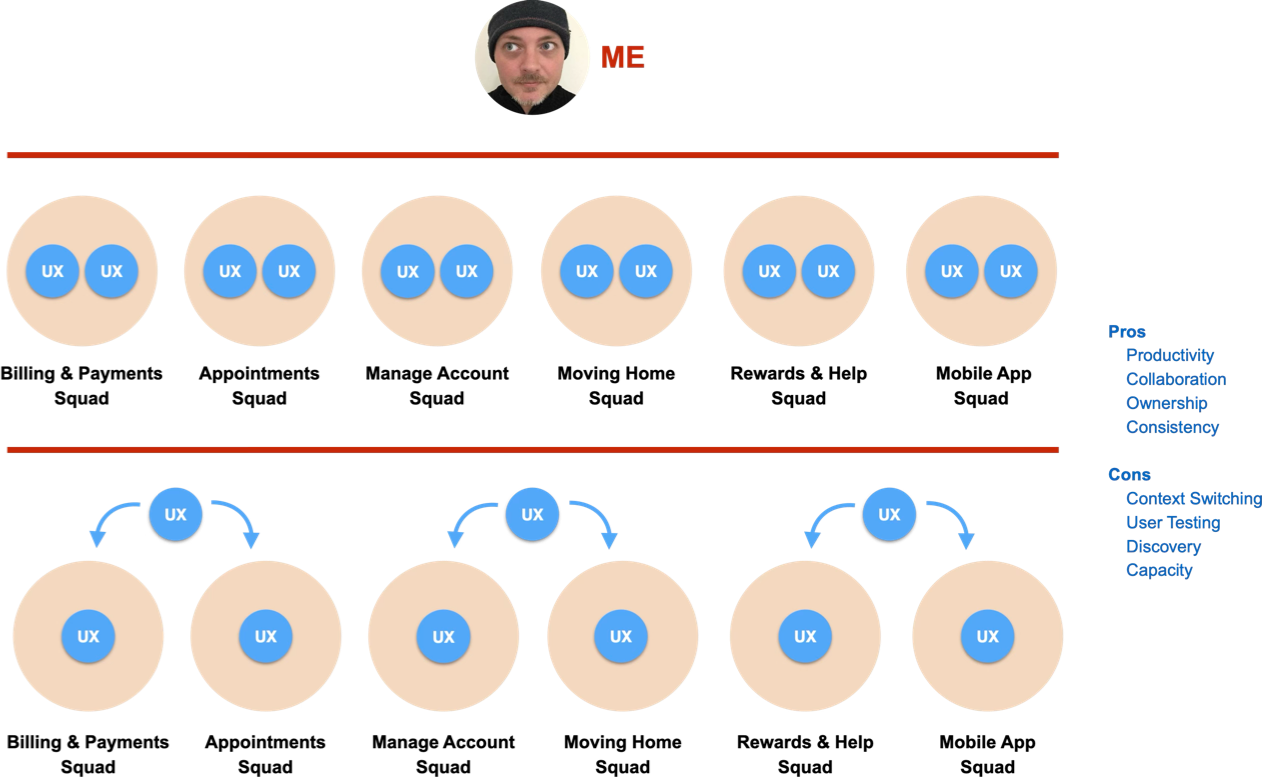
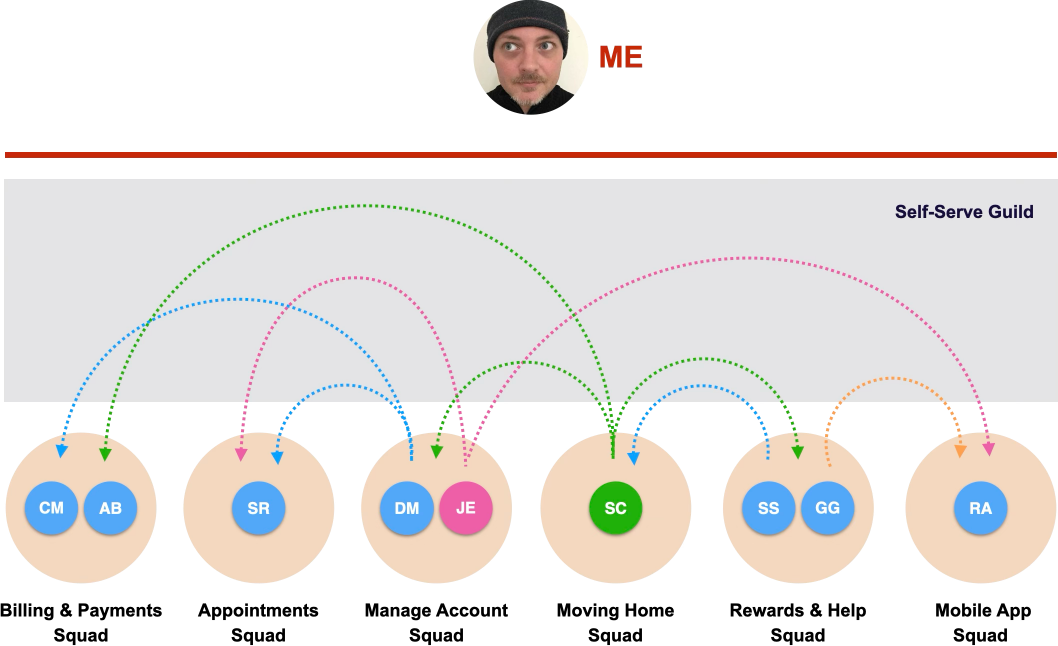
I recently had to make a change with regard to the ratio of UX support for each product team.
From: 12 designers across 6 squads.
To: 9 designers across 6 squads.
A number of models were considered before I landed on this one.
How I Shaped:
UX Operating Models
Adapting to People Requirements
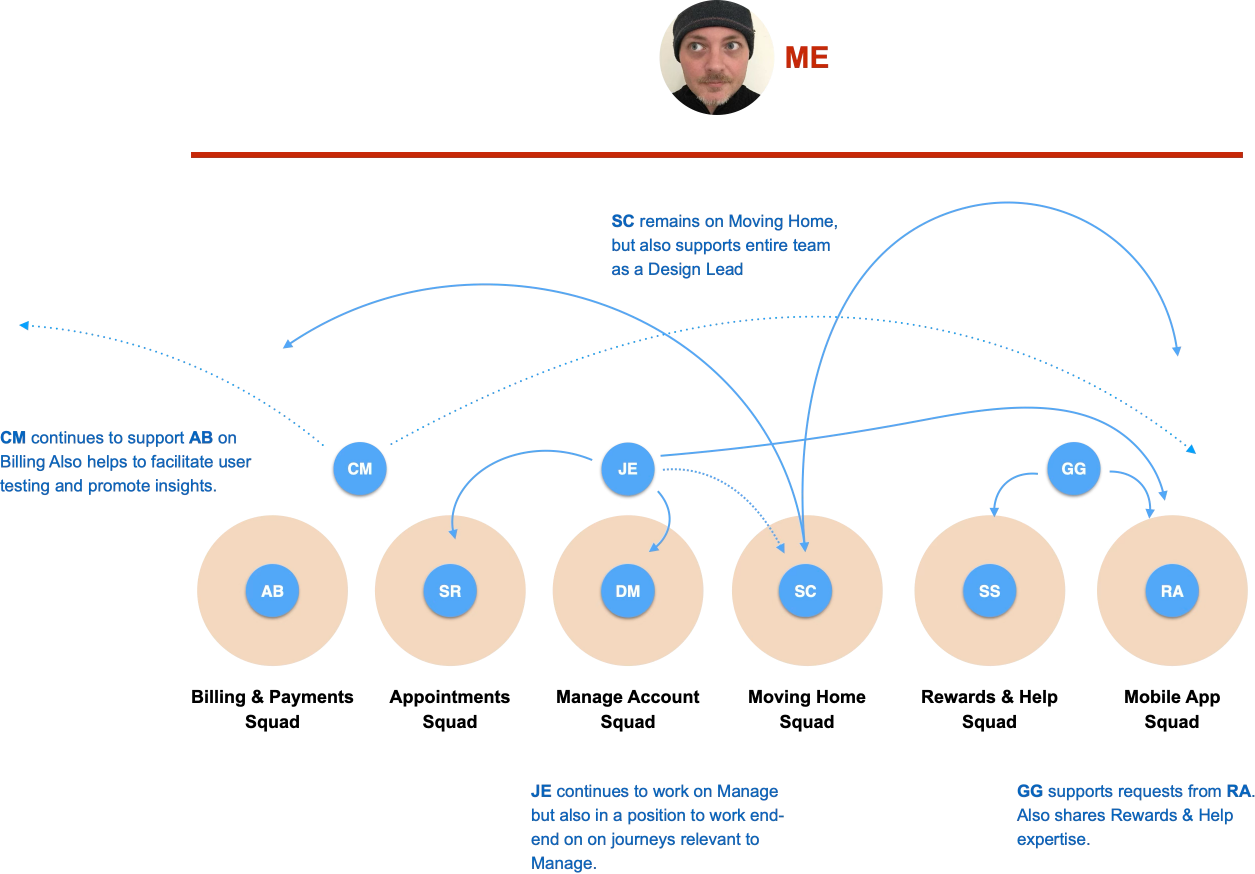
However, it wasn’t that simple.
Designers are individuals that provide value in a variety of ways.
How I Shaped:
UX Operating Model
Removing Barriers
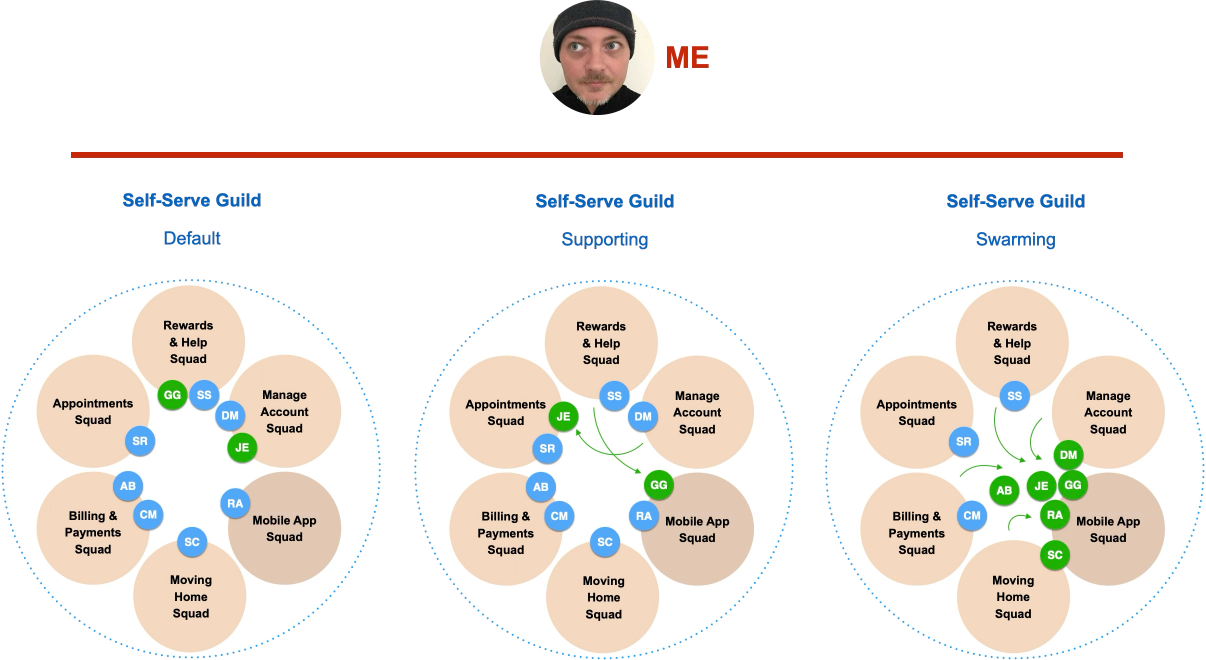
It shouldn’t fall upon a few individuals to provide support to the wider team.
The entire team should be involved and have freedom of movement.
All individuals will have blockers or gaps in their current workflow where they’ll be able to provide support and expertise to the wider team.
How I Shaped:
UX Operating Model
Removing Barriers
A more flexible model allows for product owners to have far more support when needed.
Designers retain their influence and domain expertise but also expand their knowledge.
The experience becomes more consistent over time.
Working with Carl at British Gas
Testimonials


Why design Ops?
A little background information about Carl and why he’s chosen the management track over a principal one.
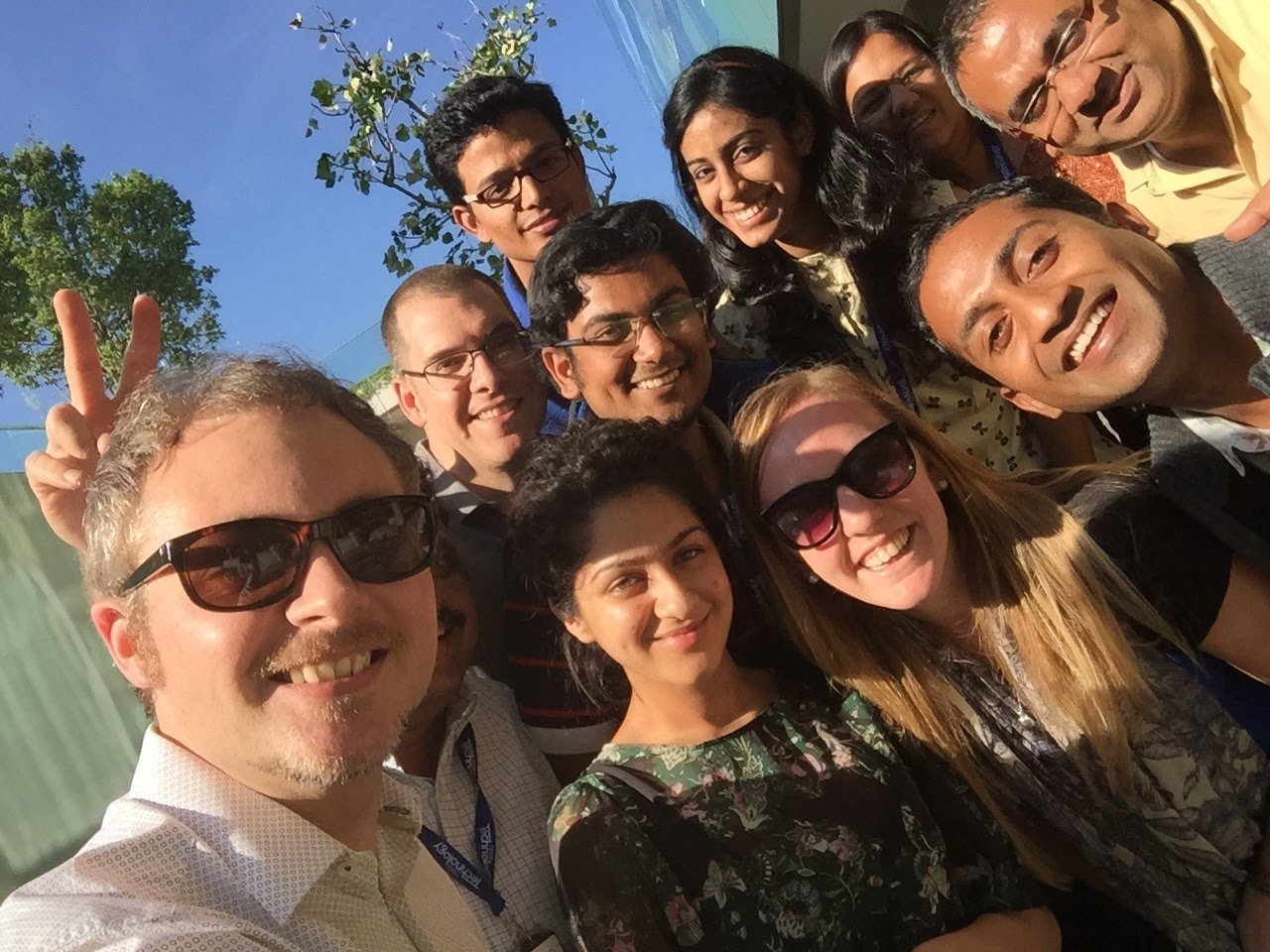
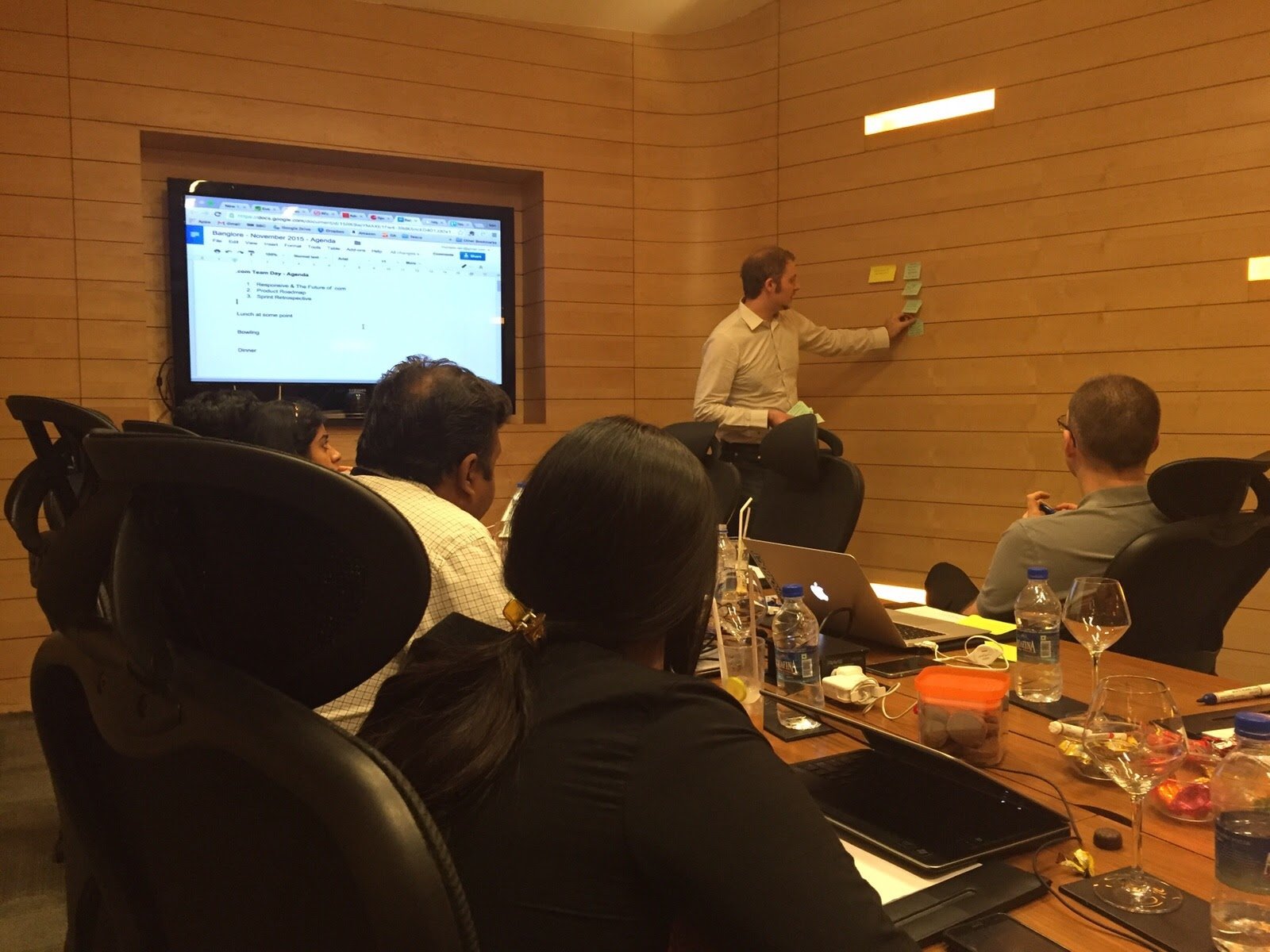
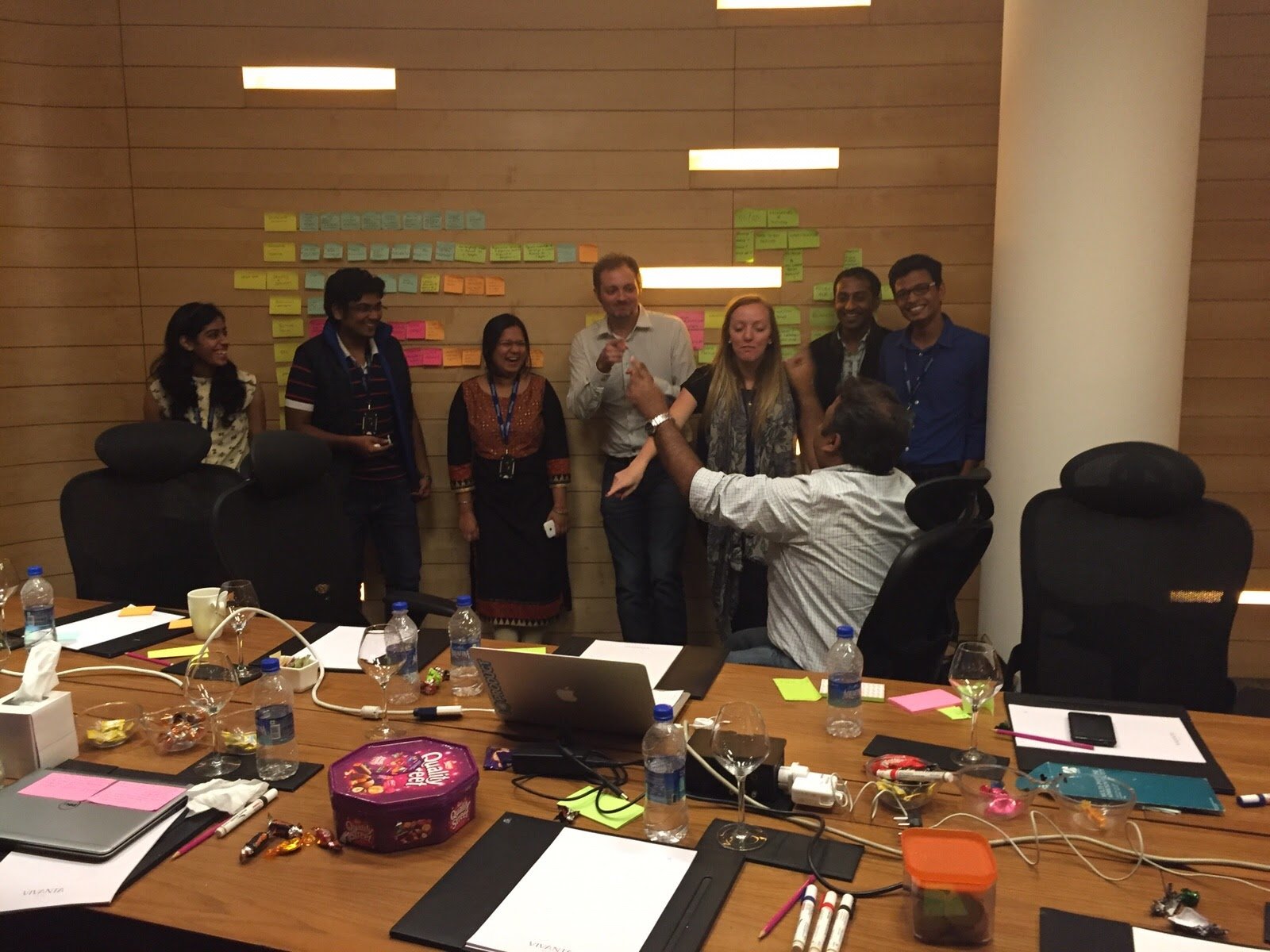
Carl’s design role at Tesco naturally evolved to focus on people and processes, with frequent trips to teams in India.
How UX fits into forming Teams
From marketing to product
From infrastructure to front-end
Building Relationships
Shared ownership, vision and open dialogues
Shared concerns (Responsive Frameworks & Global Initiatives)
Expertise/Motivations of individuals
Nurture Culture & Ways of Working
Technical Validation - Technical Expertise - Capacity
Handovers & Definition of Done
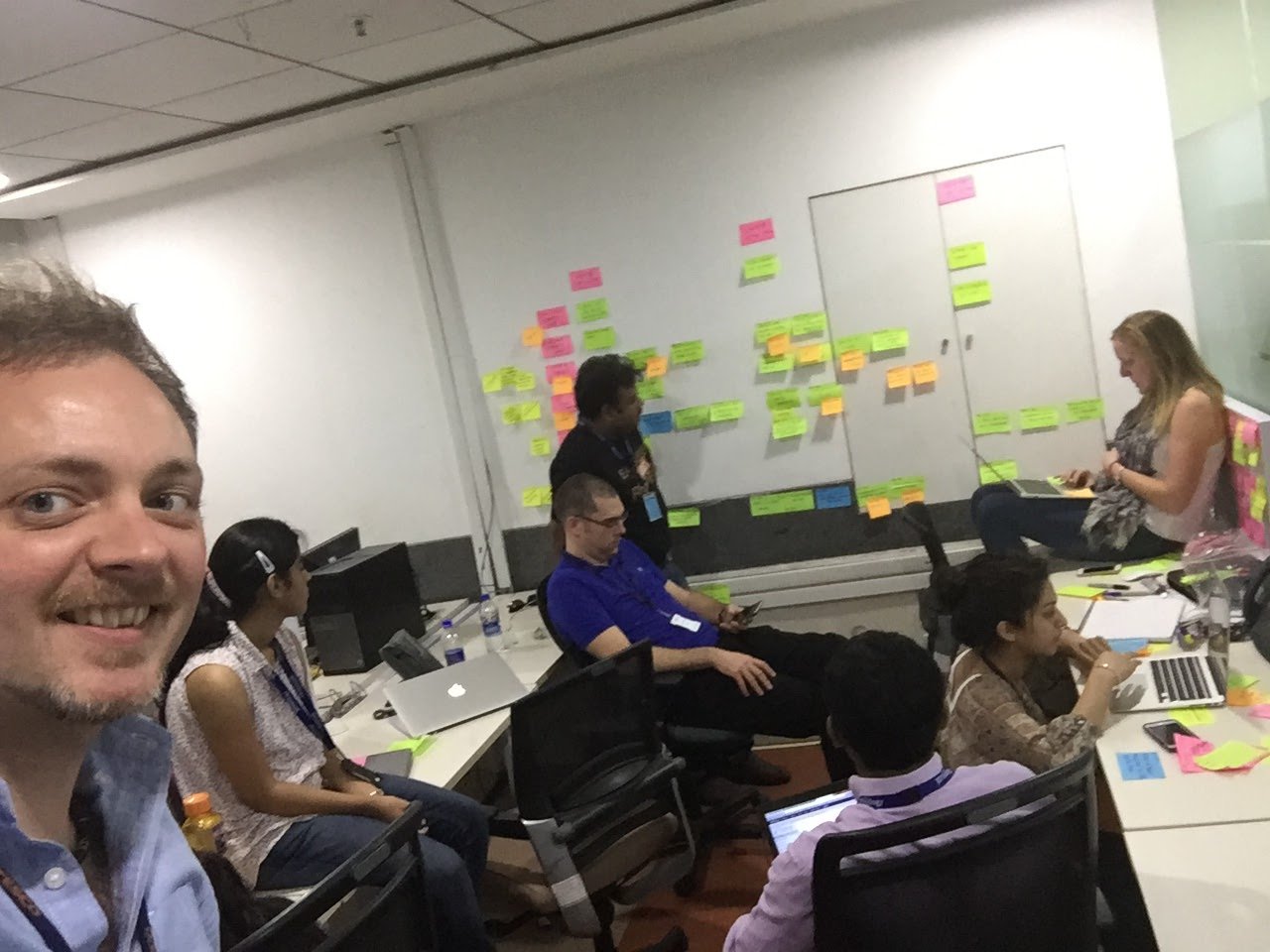
Building Momentum with Development Spikes
Get under the hood - Understand the tech stack
Build relationships - Understand expertise
Stand-ups & Retro etiquette - Understand sprint capacity
Explore handover methods - Speed things up
Surface issues & constraints - Shared sense of progress
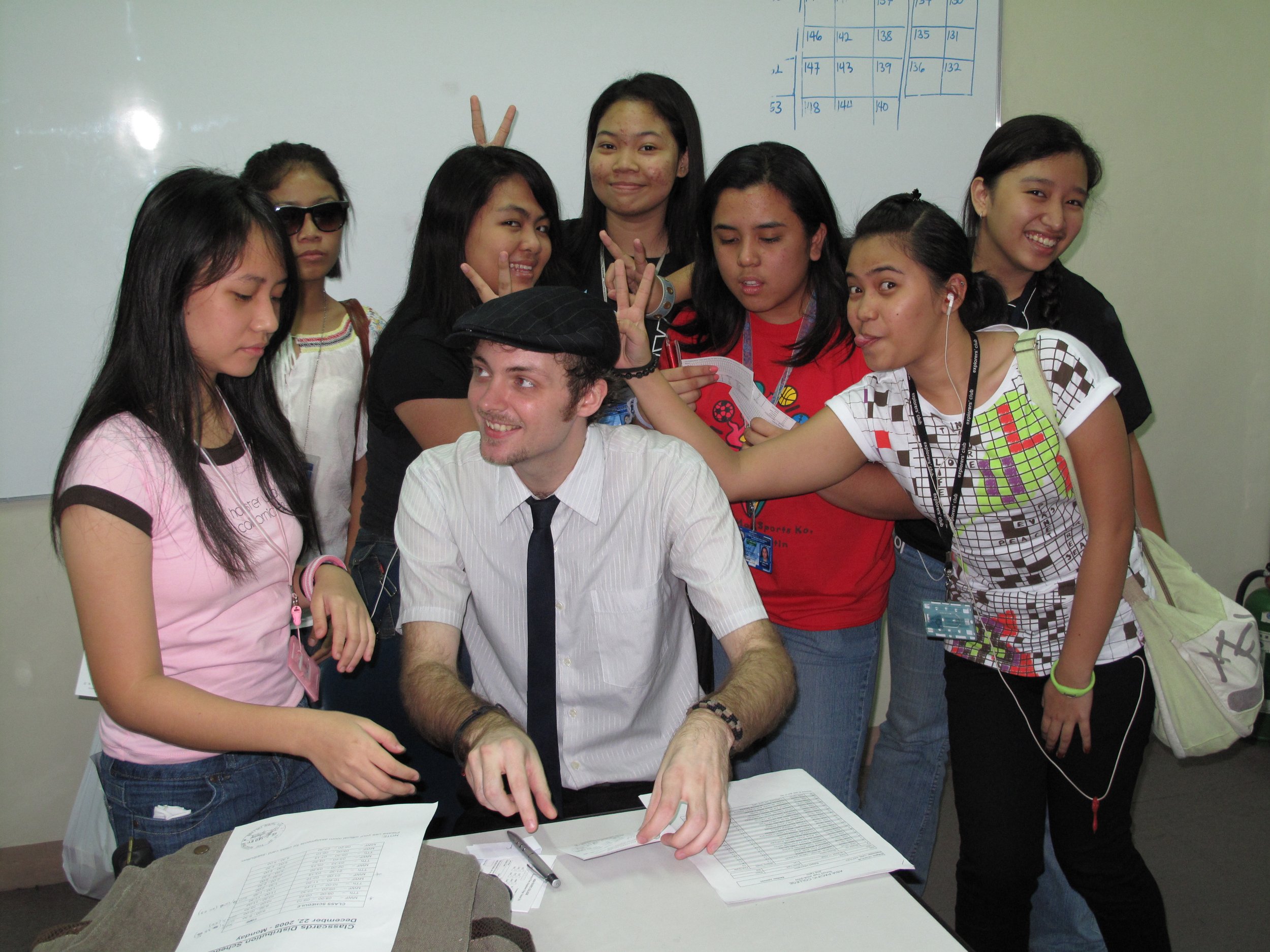
The spark for direction-setting and enabling others came while working as a college professor in the Philippines.
Teaching Front-end Development, Studio Photography, and Desktop Illustration allowed me to nurture creativity, identify talent and develop skills within creative individuals.
Teaching also provided opportunities to inspire, set direction, drive collaboration, and provide support regarding any impact on their studies, where I first experienced the focus on supporting people and how rewarding that was, as well as the fulfilment that came with being an individual contributor.