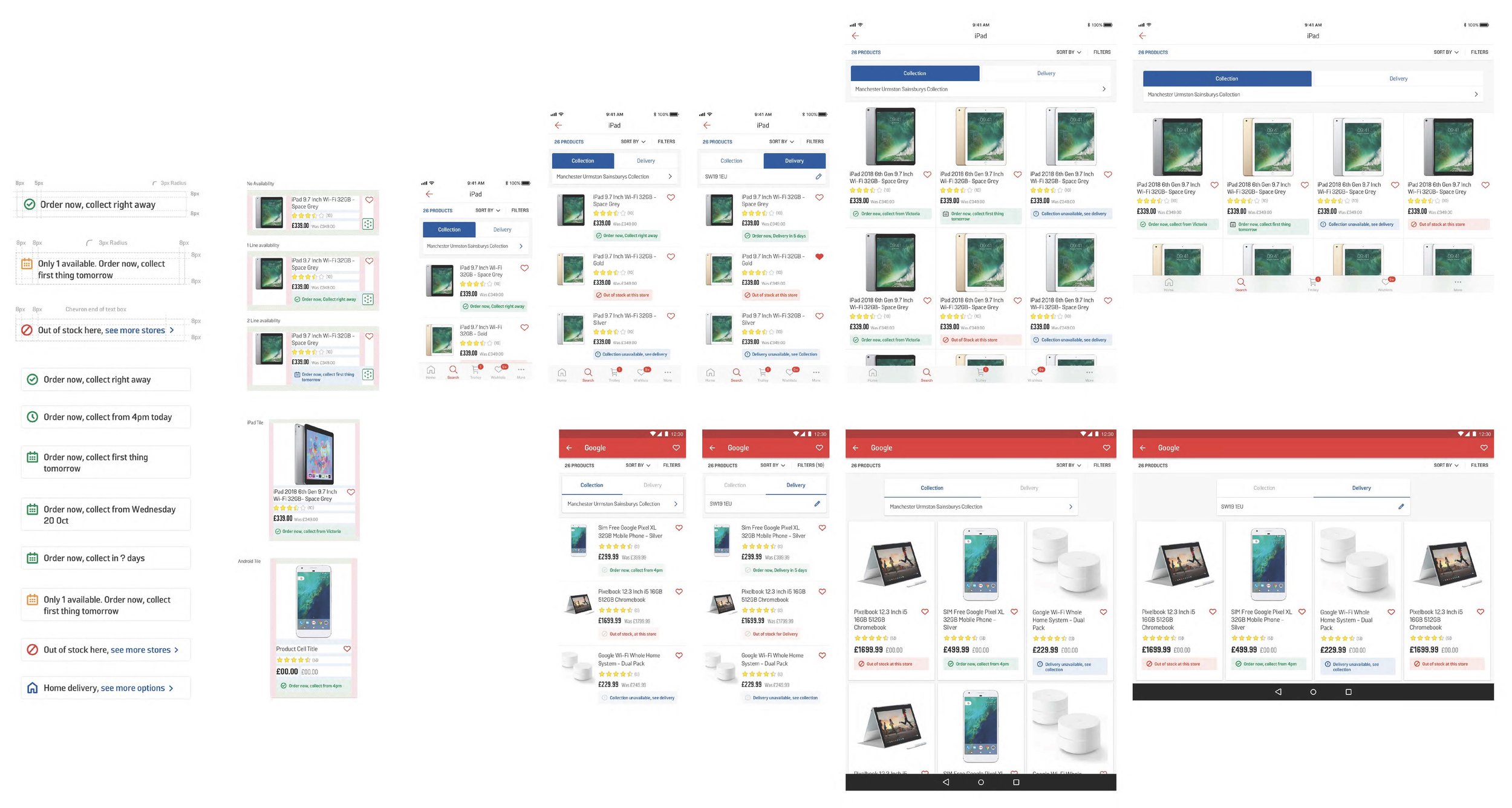
Product Availability
Overview
90% of online sales were store collections. However, stores had limited storage.
As a result, Customers struggled to find products in their chosen locations.
I iterated on solutions with guerrilla and A/B testing to surface product availability in search results & listings.
This led to a 14% decrease in product views and a 1.4% to 3% increase in conversion.
Problem:
Customers struggled to find products in their chosen/preferred location because store availability was unreliable.
Customers yo-yoed between product listings and product pages to find out whether the item(s) they wanted (or alternatives) were in stock.
On average, customers would yo-yo 9 times, with 26% switching store locations to check availability in other stores.
For our customers, this felt like the "postcode lottery". We had the perception of being the "out-of-stock company"
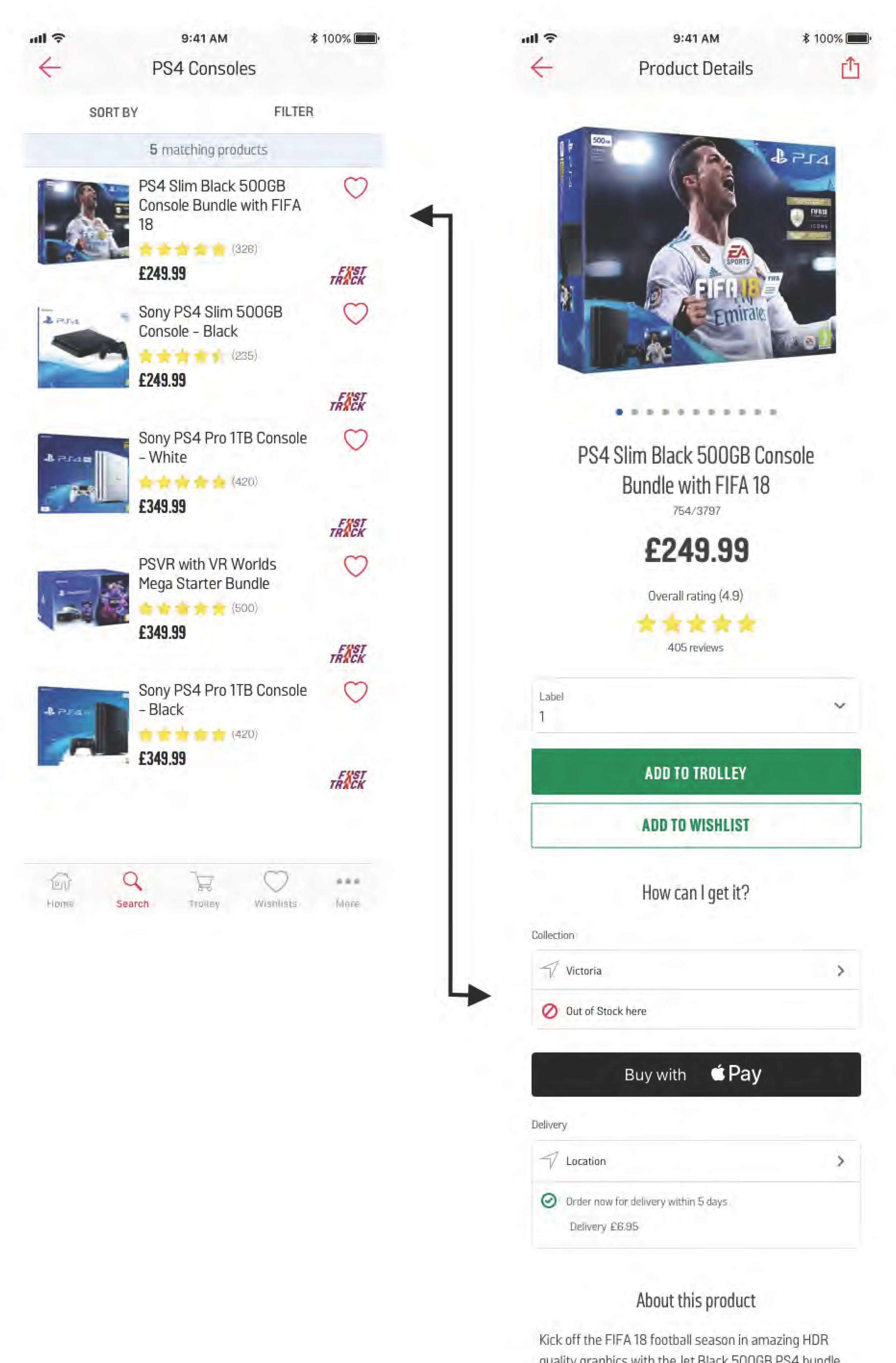
Appetite Test
I hypothesised that surfacing store availability on product listings would help customers find products (or alternatives) more easily.
Focus of test
Reduce yoyo-ing (page views)
Surface Availability to help fulfil need in chosen location more easily (conversion)
Probing for impact on conversion mix
Pay online, Delivery... 10%
Pay online- Collection... 20% (85% Collect)
Pay in-store, Reservation... 70% (60% Collect)
Concerns with impact on demand forecasting
Concerns with impact on delivery
Concerns with impact on stock movements
A/B Test Results
20% interact, 60% click yes (use saved store)
6% change store, convert 30% better
4% fewer product page views
9% decrease in delivery
0.2% Increase in conversion
No Impact on multi-variant products
No Impact on fulfilment mix
Not helpful when no alternatives
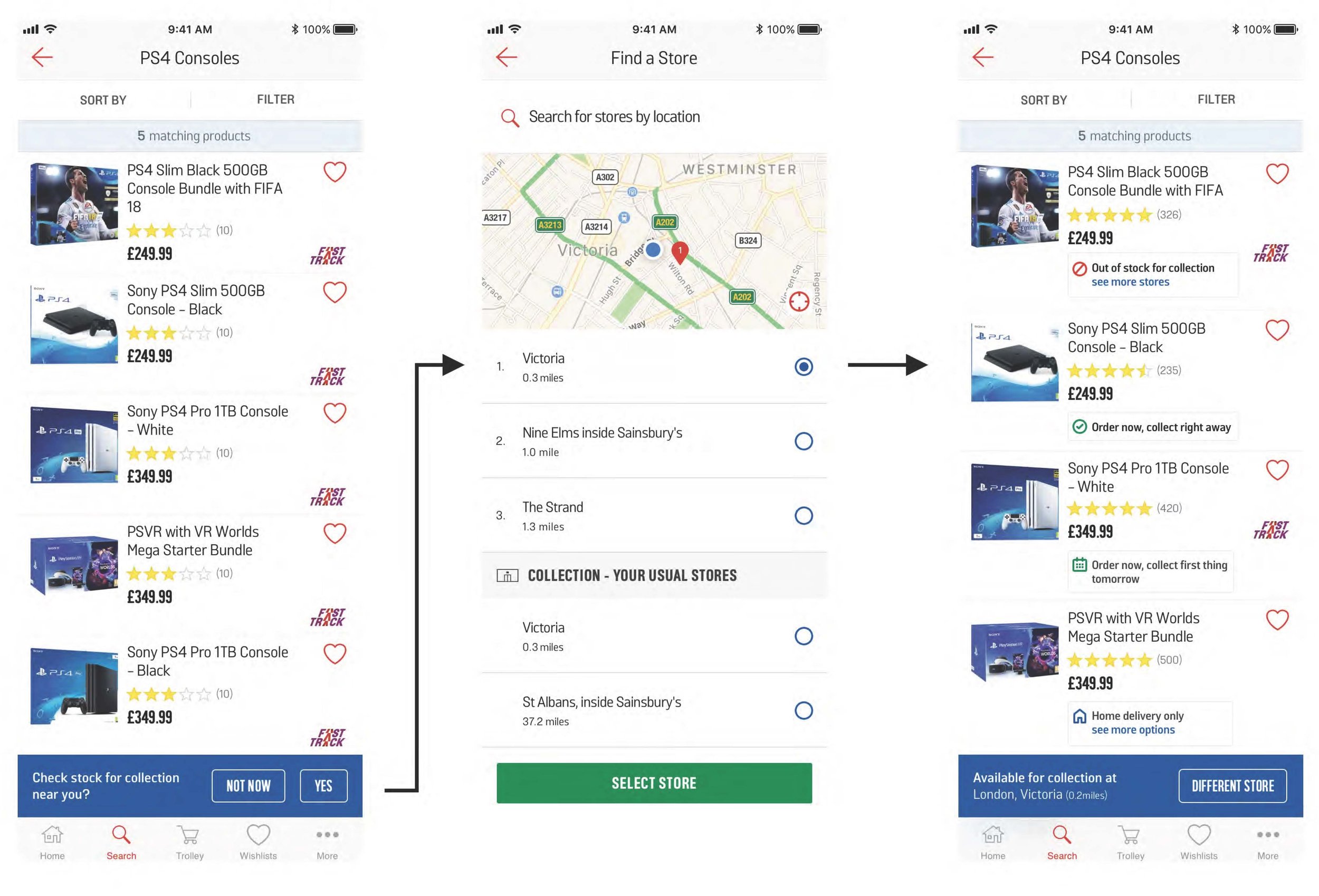
Second Test
Adjustments
Go bolder to encourage interaction.
Include Delivery to address the previous test's negative impact.
Auto-on. Default to stored addresses
A/B Test Results
10% fewer product page views
0.8% Increase in conversion
3% decrease in Delivery
Next Steps
There seems to be demand for the feature. It reduces Yoyo-ing and provides transparency for customers.
Collection Conversion Uplift may grow over time as customers become familiar with the feature.
Surface Delivery at the same time to further address impact on Delivery and to remove hidden opportunities for customers.
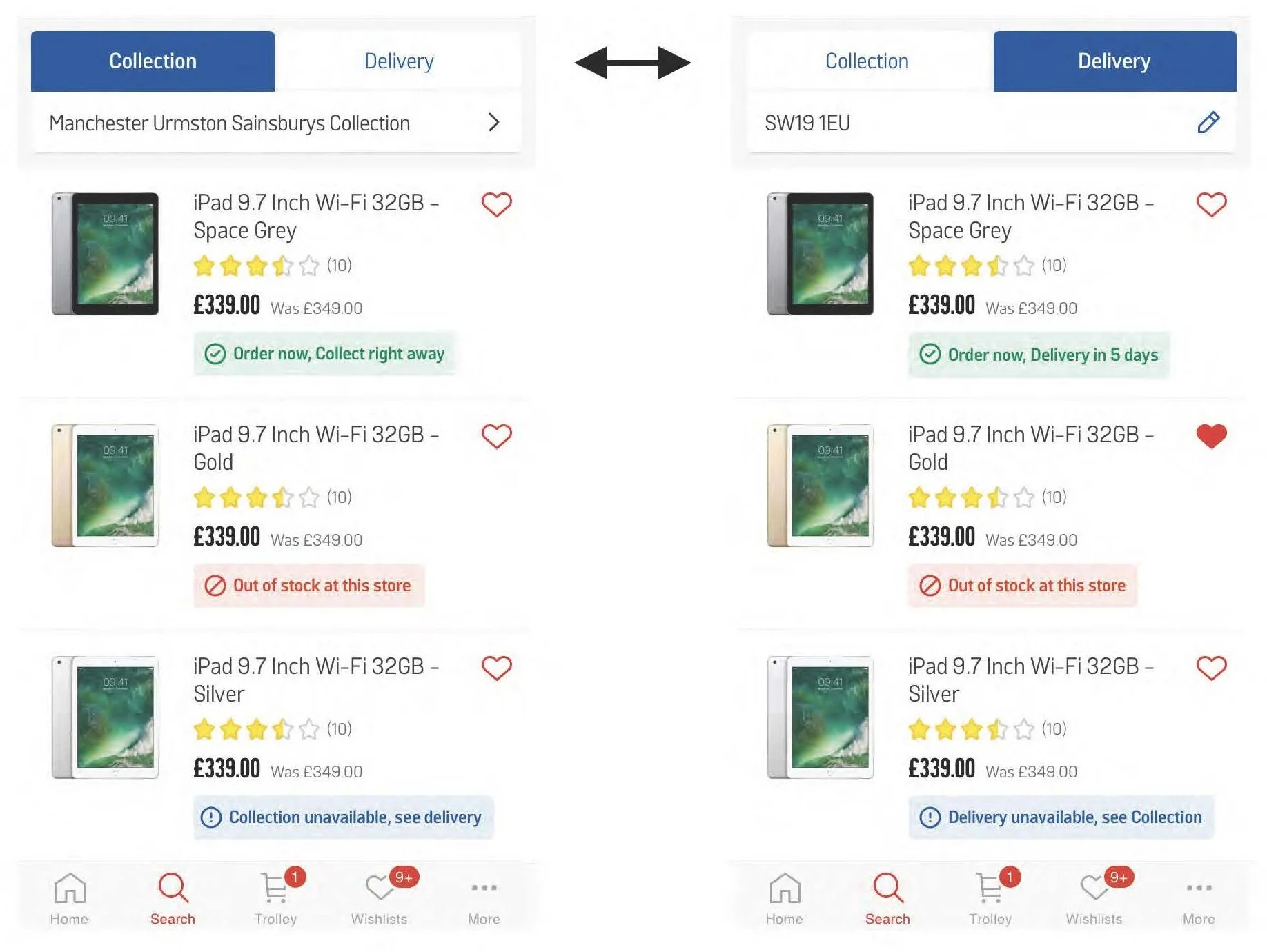
Final Release
Results
14% fewer product page views
Collection Conversion up 1.4%
Conversion of delivery-only items up 3%
(worth 7 million to the business)
Positive impact on conversion
Positive impact on fulfilment mix
No impact on stock movements
Positive impact on delivery
Unknown impact on demand forecasting
Conclusion
Improved conversion
Improved App performance
Which are both good for the customer!
Questions for further discovery
Experience doesn’t address the root cause of items being out of stock.
Not helpful if a specific item isn’t in stock
Not helpful if there are no alternatives in stock
Availability isn’t perhaps considered by the customer during browsing (Especially when not purchasing in the same session)
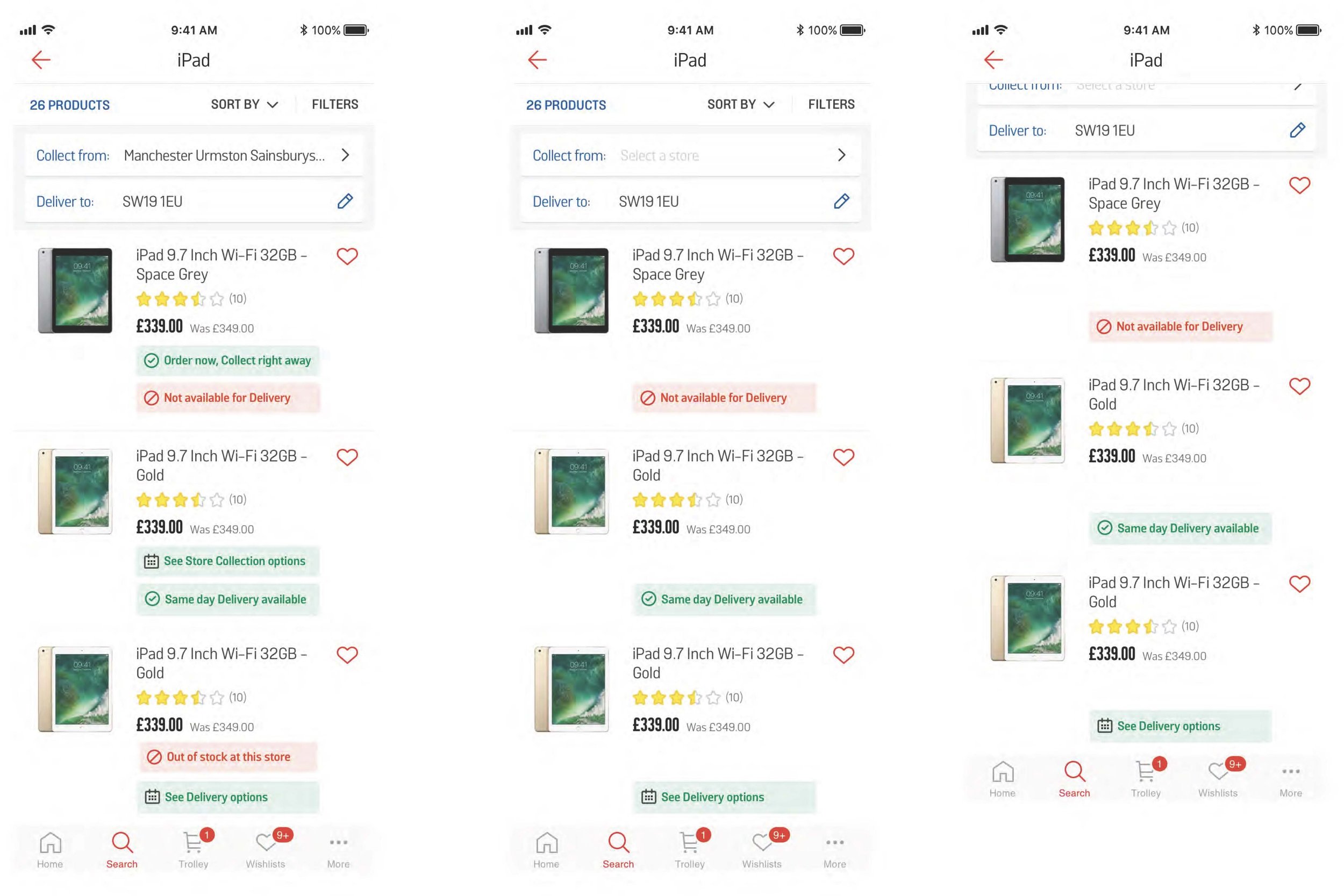
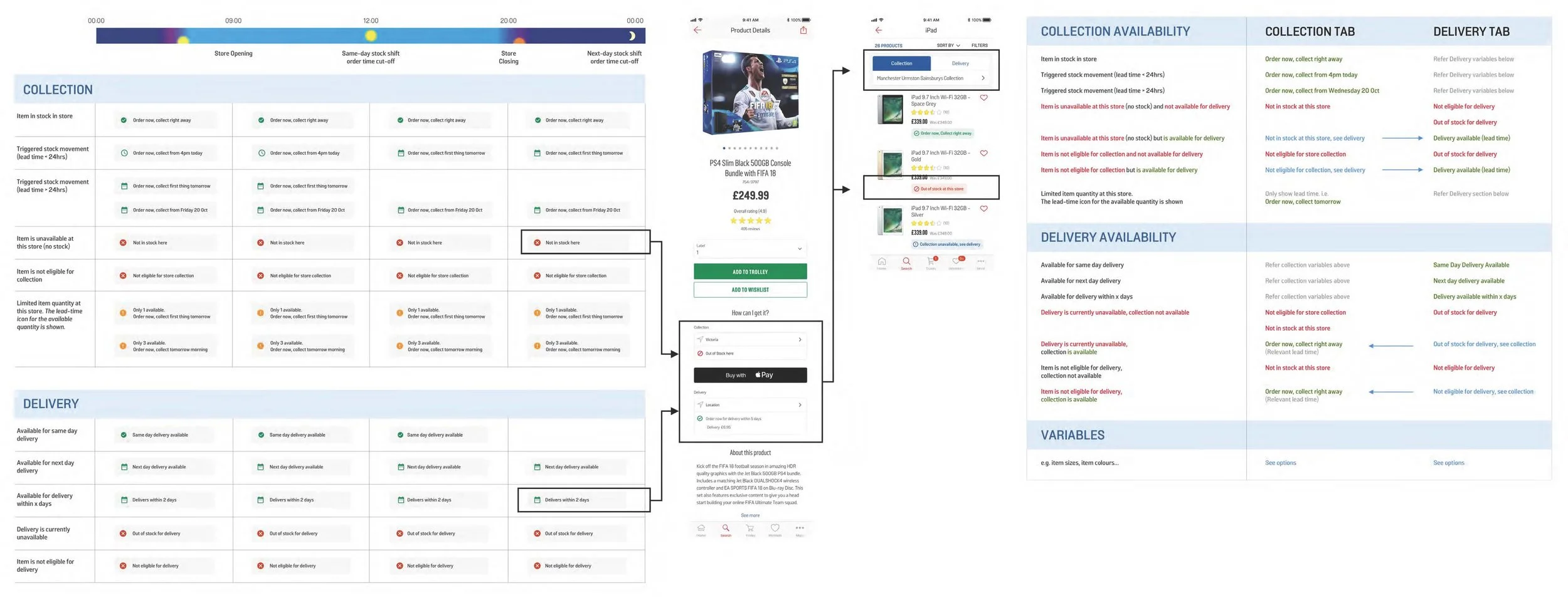
Under the hood
Examples of what was involved
Planning
Applying stock movements to listings...
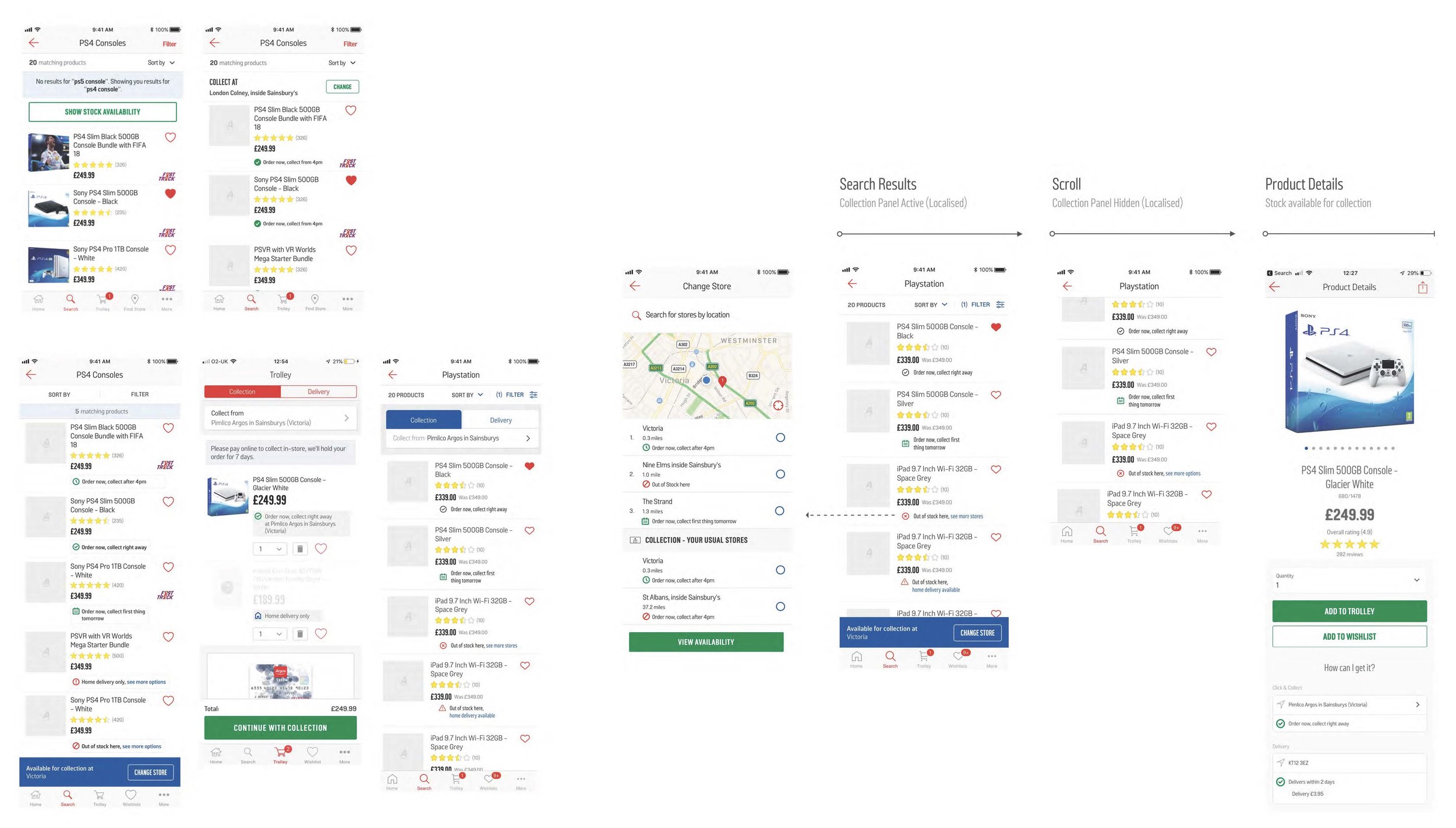
Iteration
Iterating suitable interactions...
Delivery
Scaling out for development...